>>
Unity has acquired Wellington’s Synty Studios
The POLYGON creators are joining Unity, with existing purchases and supported engines staying put. Spark gets a ready-made art cupboard; customers need Unity to keep its bloody promises.
Unity has acquired Wellington’s Synty Studios
Its art library is headed for Unity Spark’s closed beta
Existing packs keep their licences and supported engines
Synty Store, Synty Pass and free assets continue
Our take: protect the artists and keep customers out of engine wars
Unity has bought Wellington’s Synty Studios, the team behind the POLYGON art packs, and plans to bring its library of more than 60,000 assets into Unity Spark. For Kiwi and Aussie developers with Synty packs in a project, the immediate question is whether their purchases still work outside Unity. The answer is yes.
The deal was announced around last week’s Unite Tokyo event. Unity says most of Synty’s artists are joining full time and will keep making packs. The purchase price hasn’t been disclosed.
Unity’s customer rundown says existing packs, licences and Editor workflows carry on, alongside the Synty Store, Synty Pass and free assets. Its acquisition FAQ explicitly keeps current Unreal and Godot support, says past purchases are unaffected, and promises notice before future engine-support changes.
There are no pricing changes planned at present. That’s a current promise, rather than a lifetime price lock.
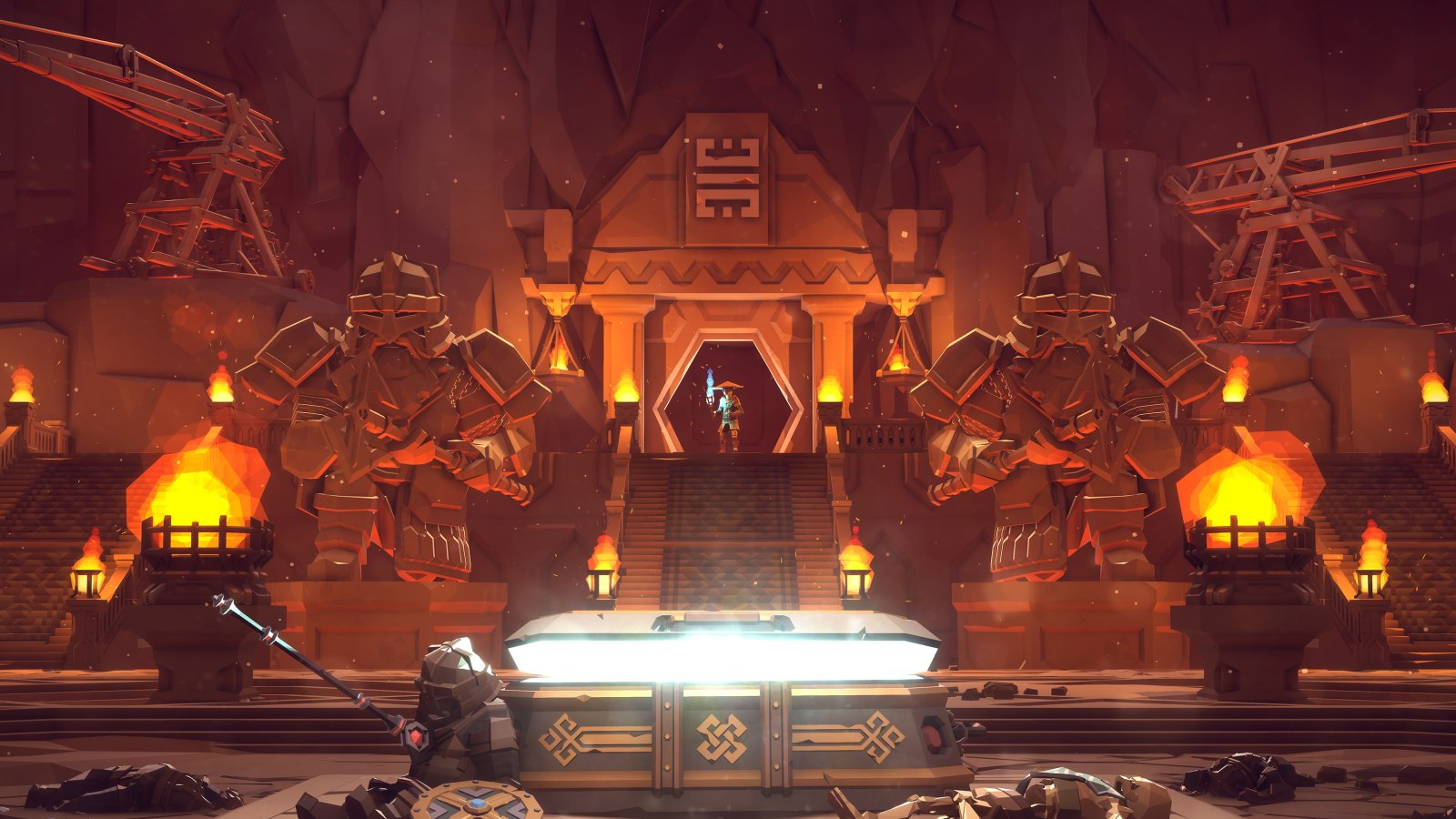
These packs are building blocks: characters, props and environments developers assemble into their own scenes. Dungeon Realms, for example, includes modular dungeon pieces, weapons and fantasy characters. You still need to make the bloody game.
Spark is Unity’s forthcoming AI game-creation platform, built around prompting, editing and publishing with artist-created assets. Synty’s library is due to join its closed beta later in 2026. The acquisition announcement gives no exact beta date.
The useful bit of Synty’s work already exists without that sales pitch. In a Synty interview with AdHoc Studio, Dispatch co-founder Dennis Lenart describes using its packs in Unreal to plan environments and stage scenes before final animation. A doughnut-shop layout built from Synty assets helped shape the finished scene. That’s a developer describing a tool doing a job, with no magic prompt required.
Synty’s artists built something useful enough that other developers can spend less time making the same chairs and more time making their games. A Wellington team getting that far deserves credit. Keeping those artists employed and making new work is the part of this deal worth backing.
Unity’s AI pitch doesn’t earn it a free pass on the boring stuff. Customers bought reusable art, and some deliberately chose another engine. Their access, support and licences matter more than how impressive Spark looks in a keynote demo. We want Synty’s reach to grow without its customers becoming ammunition in an engine turf war.
Pay the artists. Honour the purchases. Leave the bloody exit unlocked.
Follow our Unity coverage and the wider fight over AI and games-industry jobs. Got Synty packs in your project? Have your say in the GetRekt Discord.
The free Resonance update adds Dowsing Rods, ghost voice commands and Unity 6 upgrades. Finding the Bone should involve less aimless bloody wandering.
NSW’s seed grants top out at AUD $30,000, while its separate rebate needs AUD $350,000 in qualifying spending. Small developers say the road to a fini...
The 2TB P7 carries an AUD $1,199 recommended price. Fast transfers are useful; PS5 owners still have to copy games back before playing.
Comments 0
Quick check before we post that