
7
/10
Review
Street Fighter Movie Review: Big, Dumb Arcade Fun (Bison Needs Help)
A loud, daft love letter to the arcade that takes too long to throw its first Hadouken. The fights and soundtrack slap, Akuma rules and Bison is just weird.

A genuinely unique Kiwi city builder with a gorgeous soundtrack, hiding a hard, poorly explained production game behind its cute art. A hidden gem with plenty of rough edges to iron out.
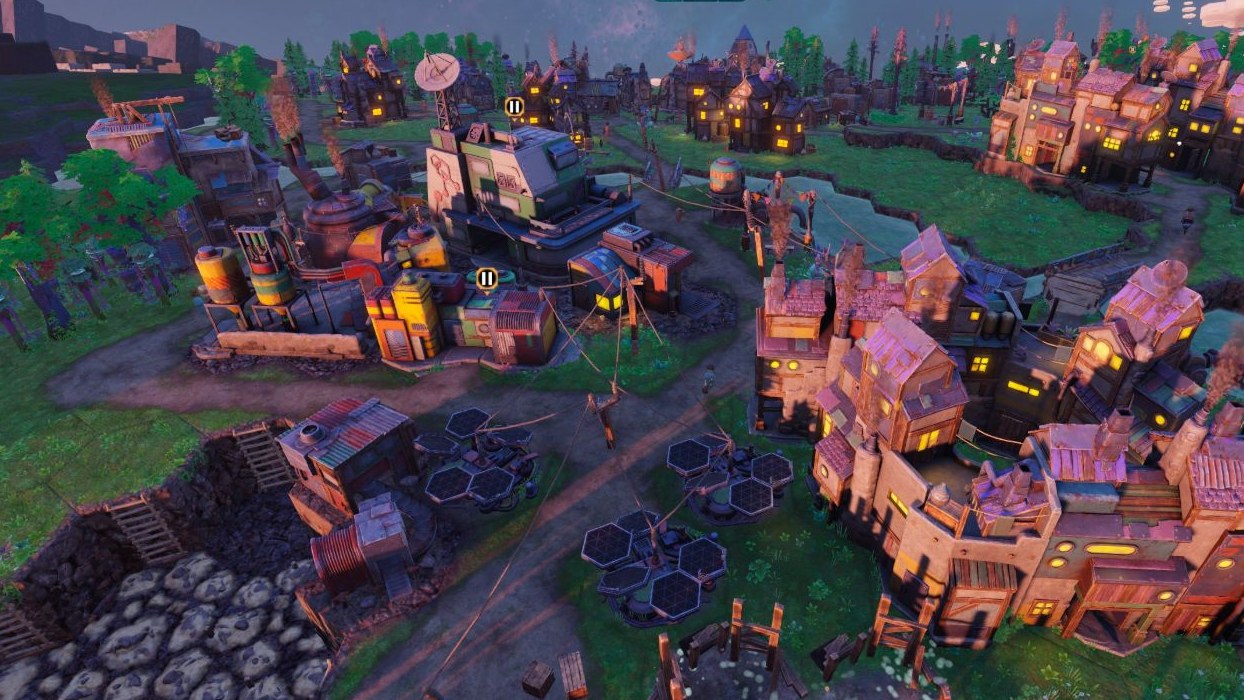
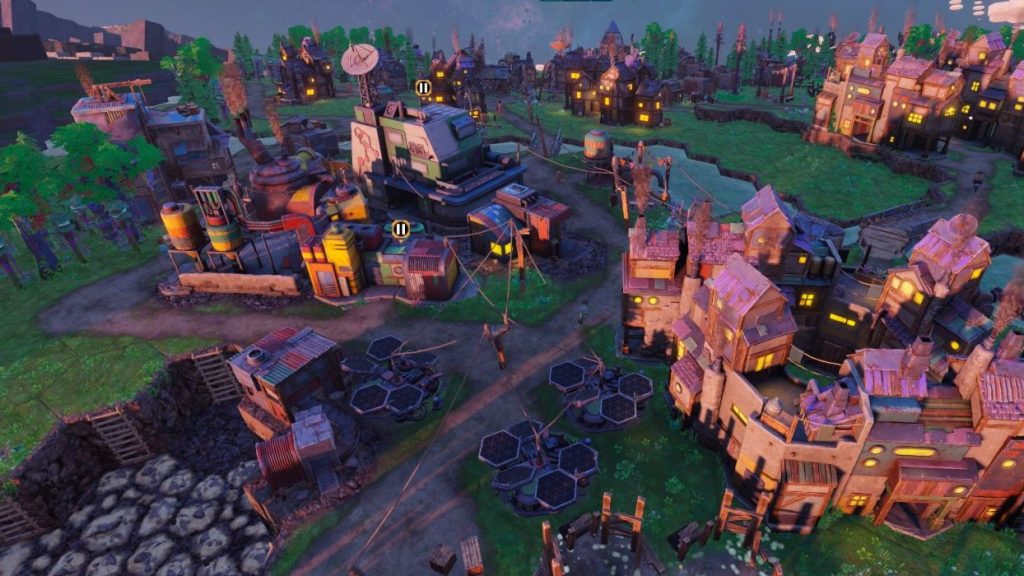
Beyond These Stars is the most relaxing game I’ve played this year that also stressed me out. I’ve been playing it before bed, soundtrack up, building a little town on the back of a space whale, and it’s genuinely peaceful. Right up until half my industry grinds to a halt and I’ve got no idea why.
That’s the whole game in a nutshell. It’s a cosy-looking city builder from Dunedin’s Balancing Monkey Games, and underneath the cute Peeps and pastel planets is a properly hard, properly tangled production game. I like it a lot. I also spent a good chunk of my time with it confused.
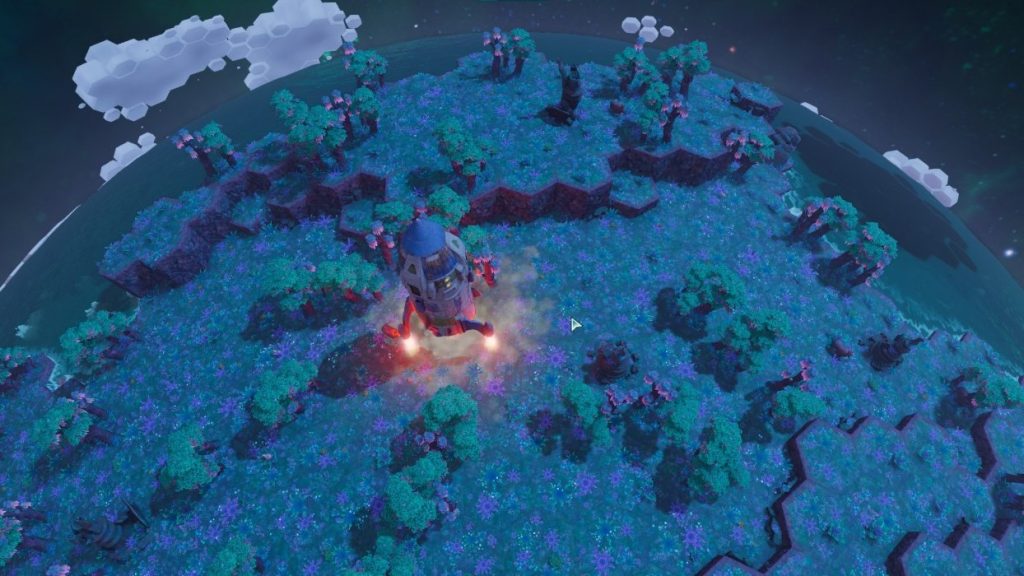
It’s the sequel to Before We Leave. Your Peeps settle on Kewa, a giant sentient Space Whale, and turn its barren back into a home: dig canals, lay topsoil, plant forests to spread the atmosphere, and build out production chains where almost everything gets bonuses from what’s next to it. Kewa has moods and needs of its own, and once you unlock travel you head out across the galaxy to set up outposts on other planets, trade with aliens and dig into the Peeps’ history.
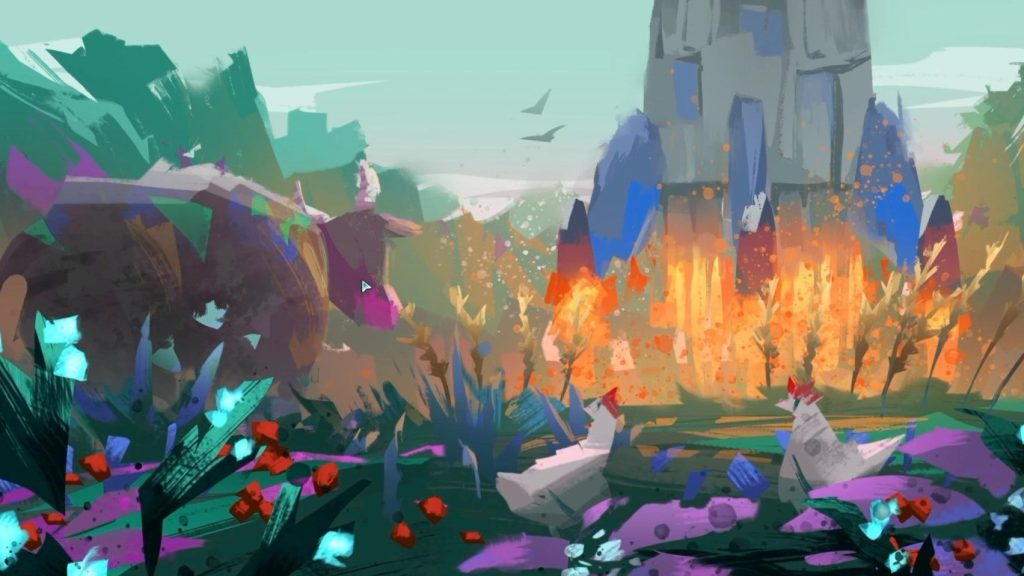
It’s published by Hooded Horse, the Manor Lords and Against the Storm people, and it’s out on PC through Steam, Epic and PC Game Pass. NZ$39.99 on Steam.
Let’s start with the soundtrack, because it’s gorgeous. Benedict Nichols is back from Before We Leave, and he’s done a beautiful job. It’s the reason this has become my wind-down game. Even when things are going wrong on Kewa, the music makes it feel like they’re going wrong gently.
And it does a lot that other city builders and god games just don’t. Building on a living creature that can be happy, hungry or annoyed with you is a brilliant idea, and the way you shape the land around your buildings gives you ways of laying out a city I haven’t seen anywhere else. This isn’t another medieval town on a flat grid. It’s weird, it’s ambitious and it’s very much its own thing.
Once you get off Kewa, it starts to feel a lot like Dyson Sphere Program. Shipping resources between planets, setting quotas for what goes out and what comes back, and building a little logistics network across a star system is very much that game’s loop, just not as complex. If you’ve ever lost a weekend to Dyson Sphere and wanted something gentler to wind down with, that’s a pretty good way to think about this.
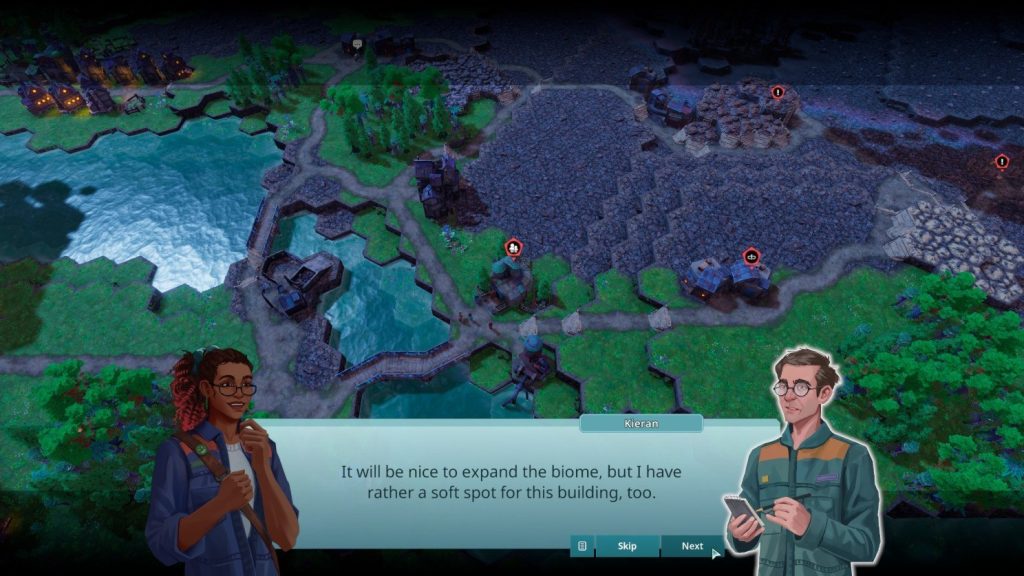
Here’s my biggest issue. Beyond These Stars looks like a cosy little builder, and it isn’t. It’s actually quite hard, and it doesn’t warn you.
Everything is tied to everything else. Your buildings feed each other, rely on each other and get bonuses off each other, and when one link breaks the whole chain falls over. Some of those buildings just don’t seem to work right. Slag is a good example: you need it for some things, and I could never produce enough of it to keep up.
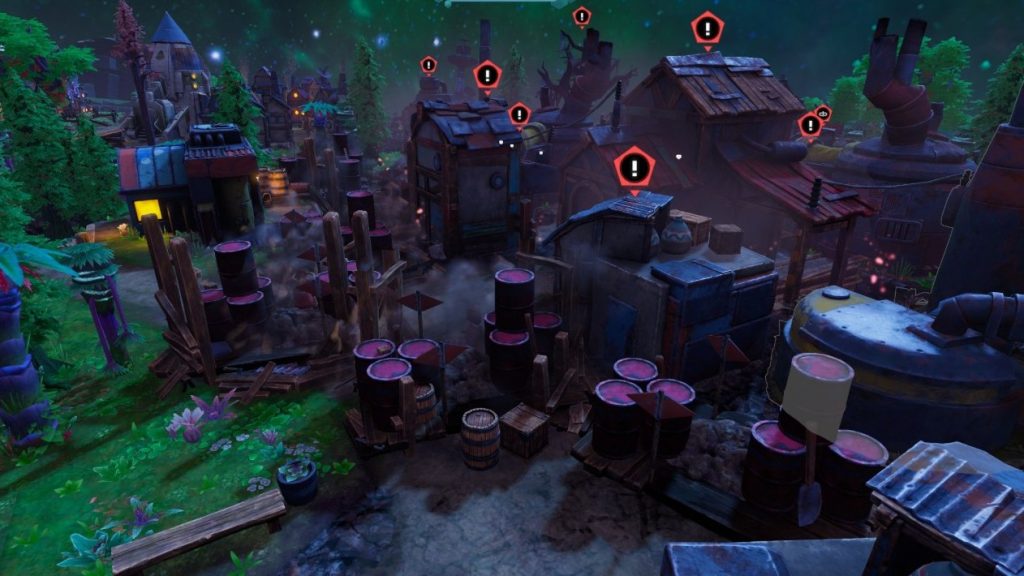
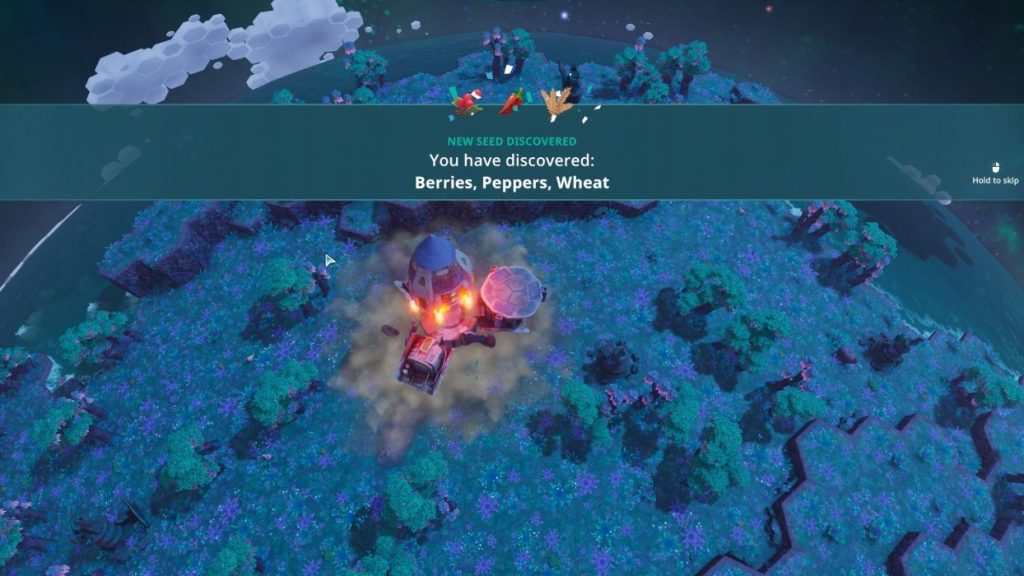
A lot of it also isn’t explained. The game tells you to settle a planet. Great. Where? Which one? With what? It took me about 10 hours before I finally settled my first planet, and that wasn’t because I was taking my time. I didn’t know what it wanted from me. For a game that markets itself as relaxing, there’s a lot of sitting there going, what now?
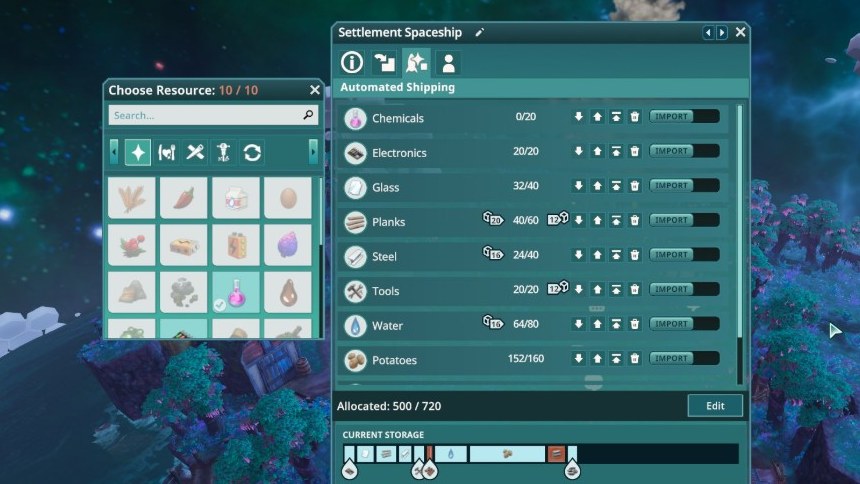
I’m not the only one finding the edges. It’s sitting on Mixed user reviews on Steam (67% positive when we checked), and the complaints there line up with mine: logistics that are hard to read, waste and storage piling up, and planet settlement goals that don’t always behave.
The other thing that grated on me was how preachy it is. I’m a Kiwi. I know the game got government funding through Dunedin’s Centre of Digital Excellence, and I get why the environmental message is baked in. A game where you live on a fragile creature and have to look after it is always going to be about sustainability. That’s fine.
But there’s a difference between a game with a theme and a game that keeps telling you the theme. At times it felt like playing a game made by the Green Party. I don’t need the lecture. The mechanics already make the point: wreck Kewa and you lose your home. Let that do the talking.
I really do enjoy Beyond These Stars, and I honestly think it’s a hidden gem. It does things other city builders don’t even try, it sounds incredible, and it’s made just down the road in Dunedin. That’s exactly the kind of game we should be encouraging, from a studio we should be backing.
It’s also got a lot of pain points to iron out. The difficulty is hiding behind the cute art, the systems need explaining, and some buildings need fixing. If Balancing Monkey sorts out the onboarding and the production chains, this goes from a 7 to something special. If you’ve got PC Game Pass, give it a go. Just don’t believe the cosy vibes, and don’t panic if it takes you a while to get off the whale.
Have you settled your first planet yet, or are you still wandering around Kewa wondering where the slag went? Tell us in the comments or come compare cities in the GetRekt Discord.
A loud, daft love letter to the arcade that takes too long to throw its first Hadouken. The fights and soundtrack slap, Akuma rules and Bison is just weird.
A completely welcome DLC which breathes even more life into a rock-solid, all time favourite game.
A new Early Access game with a lot of promise. A few small issues with more content and game modes required to keep the replay value.
Comments 0
Quick check before we post that