>>
The EU has proposed a Digital Fairness Act aimed squarely at game monetisation.
The EU's proposed Digital Fairness Act would ban paid loot boxes and pay-to-win for kids, put real prices on in-game currency and let everyone switch loot boxes off. The industry calls it "game over".

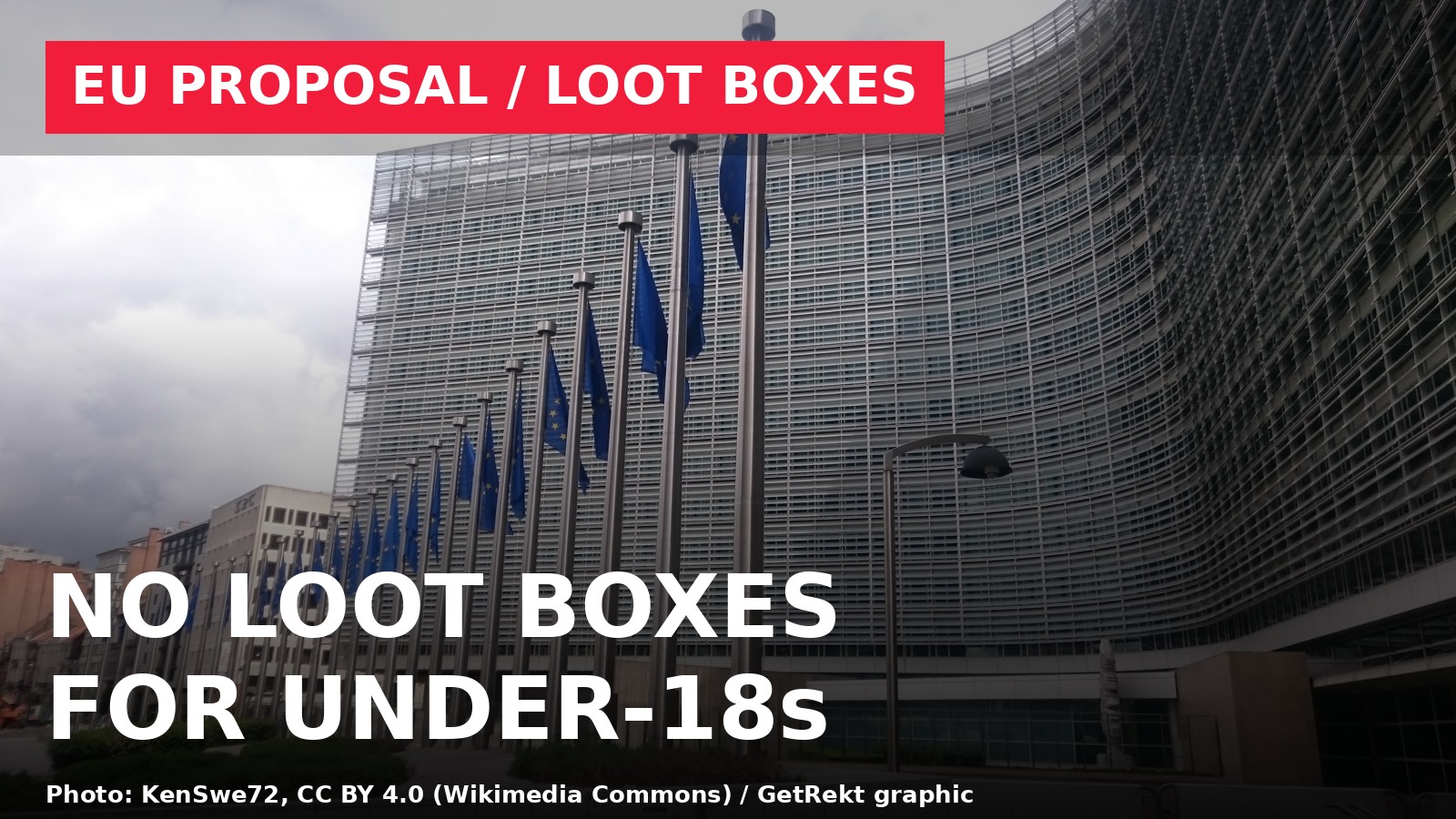
The EU has proposed a Digital Fairness Act aimed squarely at game monetisation.
Paid loot boxes and pay-to-win would be banned for under-18s.
Every game would have to show the real-money price of items bought with currency.
Industry groups call it "unworkable" and say it's "game over" for European games.
It's not law yet, and would apply 12 months after it's passed.
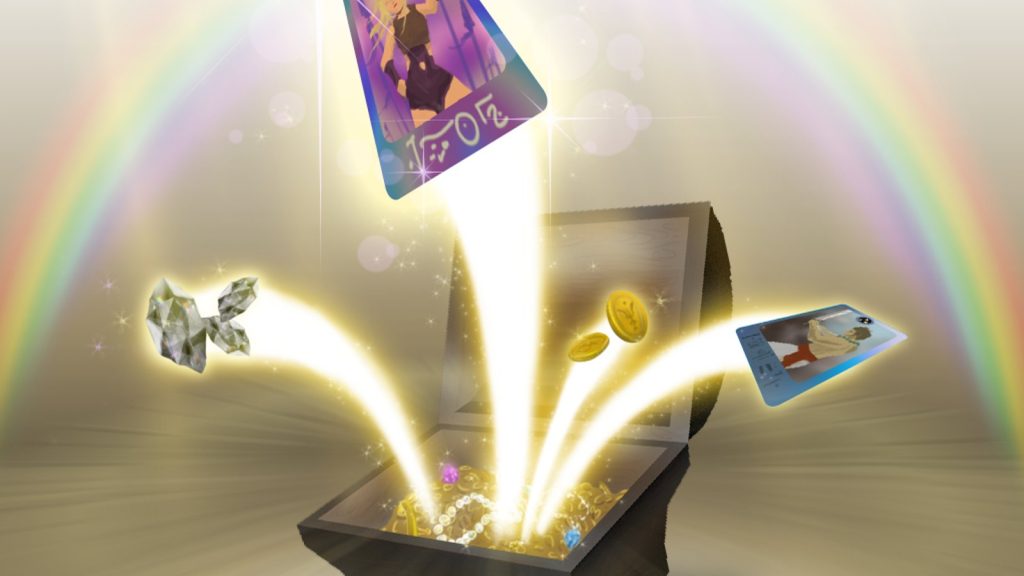
Europe wants to take loot boxes off kids. The European Commission has proposed a Digital Fairness Act that would ban paid loot boxes, pay-to-win and pay-to-progress for players under 18, lock paid in-game currency behind parental approval for minors, and force every game to show what your gems and coins really cost in real money.
It landed on Wednesday in Brussels, overnight NZ time, and the games industry’s European lobby groups lost their minds within hours. It’s only a proposal for now, but if it survives the EU’s lawmakers it will change how a huge chunk of the games you play make their money.
We read the proposal itself. Here’s the gaming stuff, straight from the draft text.
Here’s the bit that matters most. The draft says a product counts as aimed at minors if its age rating, PEGI or similar, says it’s suitable for under-18s.
That means anything rated below 18 could get caught, which is most of the big live-service games. The industry reckons that’s the whole ballgame.
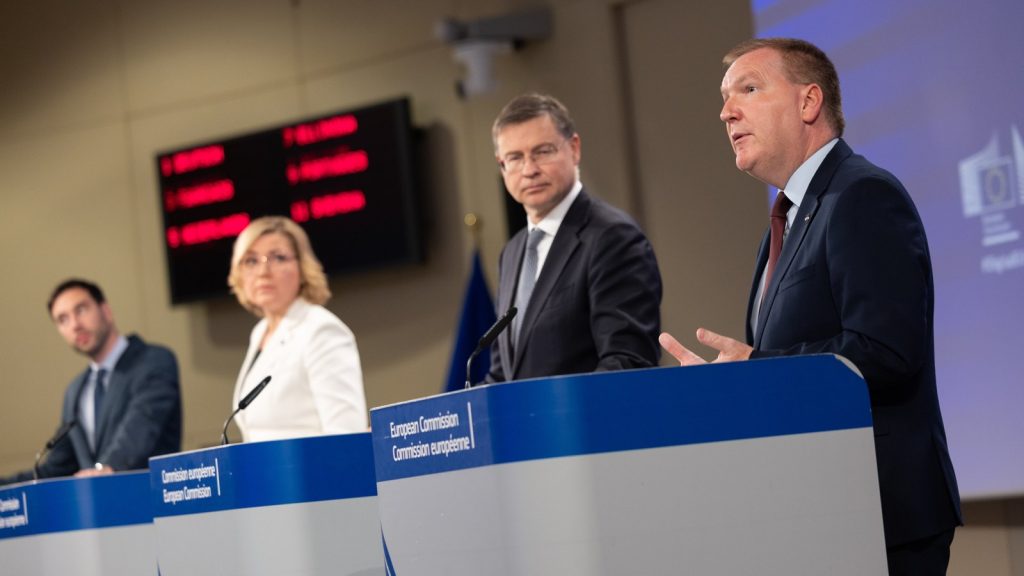
Video Games Europe and the European Games Developer Federation put out a joint statement calling the proposal “unworkable, unjustified and disproportionate”, under the headline that the DFA is “game over” for the European games industry.
Consumer Commissioner Michael McGrath isn’t backing down. “We are not making it harder to do business. We are making it harder to do business unfairly,” he said, according to The Verge.
Australia got in first, sort of. Since 22 September 2024, Australian Classification has rated any game with paid loot boxes M, not recommended for under-15s, and games with simulated gambling R18+.
That’s a warning label, not a ban, and the EU proposal goes a lot further. But when a market of 450-odd million people forces publishers to rebuild their shops, the changes rarely stay in Europe, so we wouldn’t be shocked to see real-money price tags and loot box off switches turn up down here too.
We’ve seen how Australian rules bite before, with Steam’s credit-card age check locking out Aussie adults and the GTA 6 R18+ rating panic. This one could reach a lot further than Australia.

Good. Publishers spent a decade building slot machines for children, calling them surprise mechanics, and hiding the price behind gems, V-Bucks and bloody crystals. Showing the real price and the odds is the least they could do.
The industry does have a fair point on the PEGI rule, though. Treating every game rated under 18 as a kids’ game is clumsy, and a vague pay-to-win ban with 6% fines attached is going to make lawyers rich.
But “game over” is a hell of a call from an industry that only offered to switch purchases off for kids once Brussels had the pen out. If your business model falls apart when players can see the price, it was a crap business model.
Should Australia and NZ copy Europe, or is this nanny-state rubbish? Come argue about it in the GetRekt Discord. We’re tracking the fallout on our loot boxes page.
Rockstar's UK workers vote from today until 26 November on recognising their union, right through GTA 6's launch. It's a year after the studio sacked ...
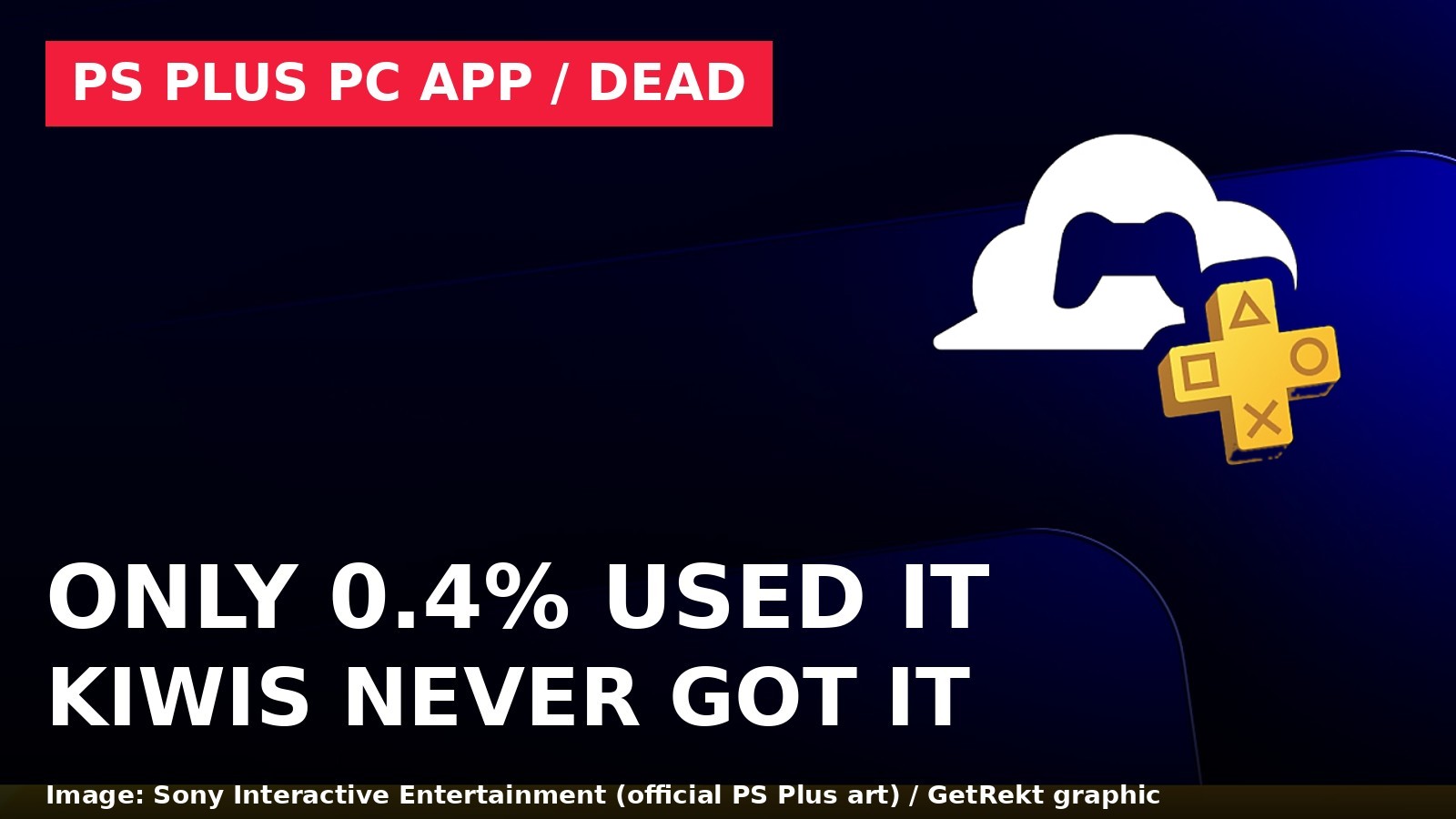
PlayStation's cloud streaming app for Windows dies on 10 December, after Sony admitted almost nobody opened it. Down here we never had PS Plus cloud s...

Bungie's Symbiosis update brings a co-op roguelite mode, a Team Deathmatch beta, a social space and a blade robot on 8 December. Anyone can play free ...
Comments 0
Quick check before we post that