>>
Civilization launched on DOS in September 1991, built by Sid Meier and Bruce Shelley from a scrapped real-time prototype and a licensed board game name.
From a bet in a Vegas arcade to the Civ VII backlash: 35 years of Sid Meier's Civilization, the lawsuits, the breakaways, the Grammy, and the truth about who really nuked you on your 486.

Civilization launched on DOS in September 1991, built by Sid Meier and Bruce Shelley from a scrapped real-time prototype and a licensed board game name.
Nuclear Gandhi was never a bug: the integer-overflow story first appeared in 2012. Genghis Khan was the real Civ I warmonger.
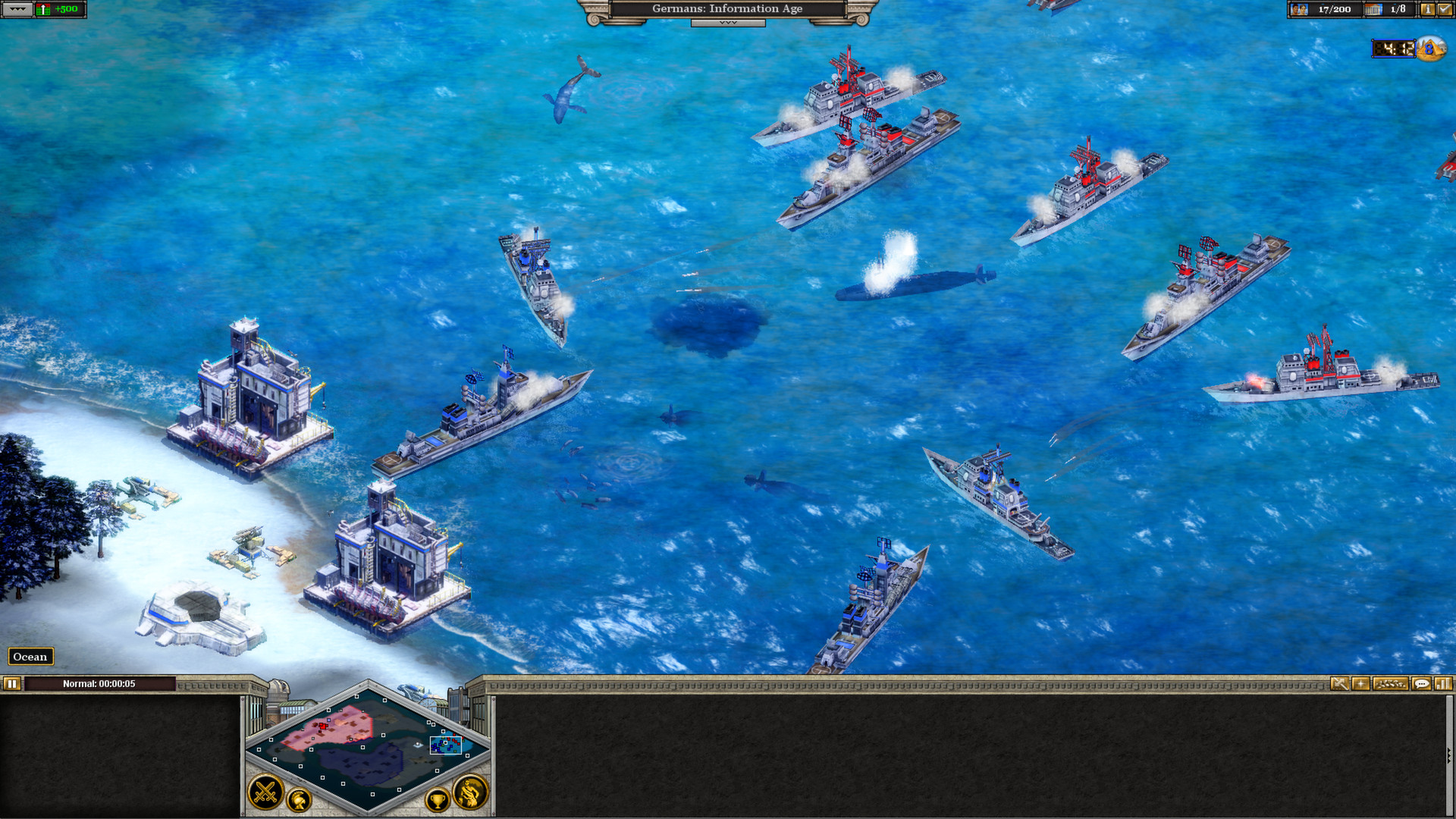
Brian Reynolds left Firaxis to found Big Huge Games and make Rise of Nations, a Civ-flavoured RTS that sold 2M+.
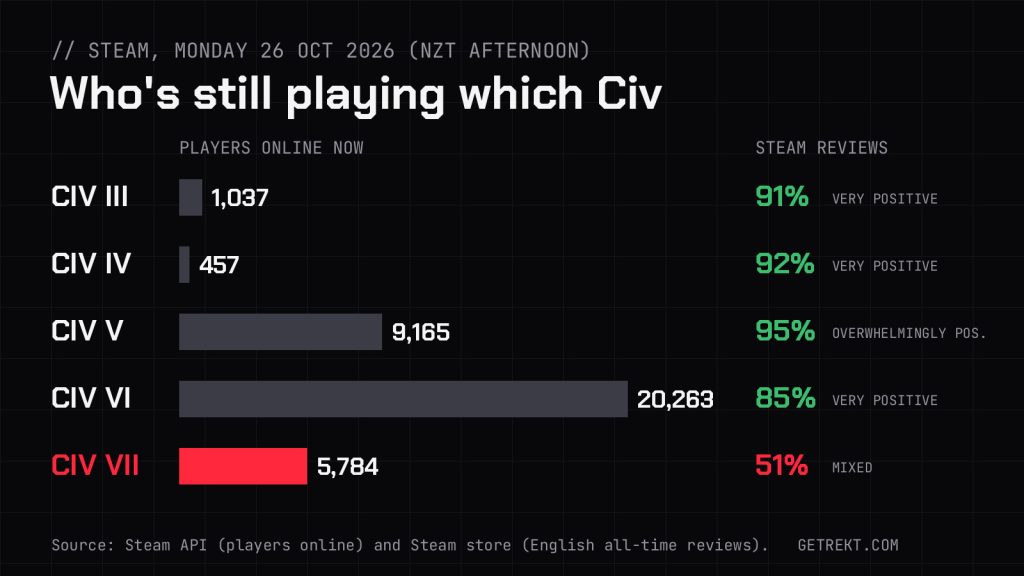
Civ VII's forced civ-switching backfired: it sits at Mixed on Steam with fewer players than Civ V and under a third of Civ VI's.
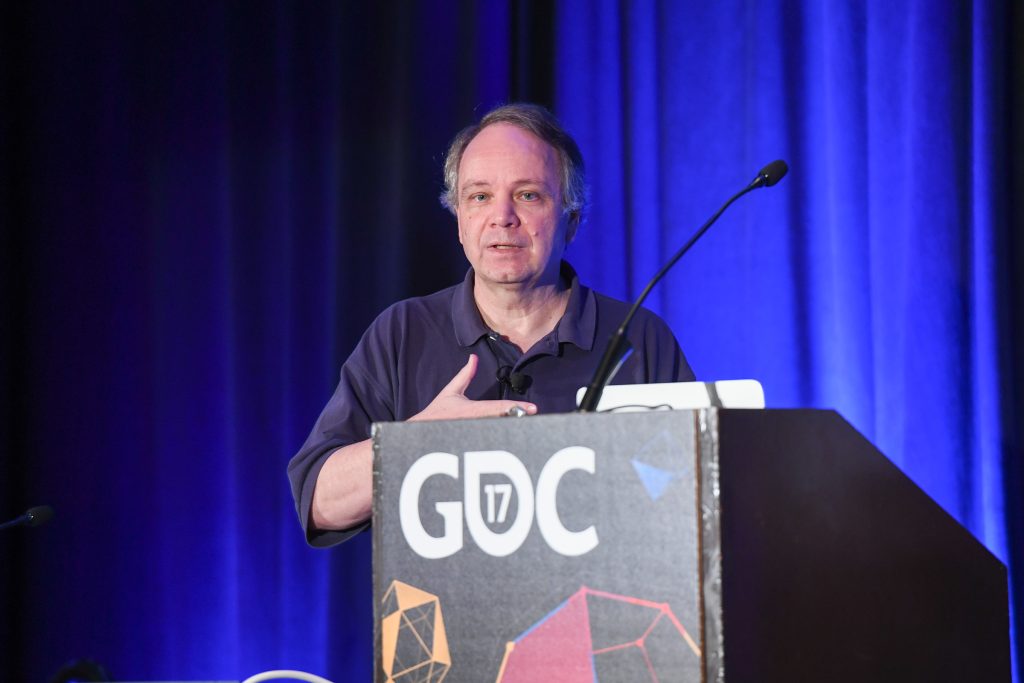
Sid Meier, 72, is still at Firaxis as Director of Creative Development, but hasn't led a mainline Civ since the original.
I first played Civilization on a 486, back when “one more turn” was a promise nobody ever kept. And somewhere in one of those games, somebody nuked me. For 30-odd years I’ve never been sure whether it was Gandhi and that famous integer bug, or the Mongols just being the Mongols.
I’ve played every mainline Civ to death since. Civ I and Civ VI are my favourites. And for the first time in my life, I haven’t bought the new one. I’ve refused to buy Civilization VII because of what they did to it.
Civilization turned 35 this year. So I went back to the start: the bet in a Vegas arcade, the board game it borrowed its name from, the lawsuits, the Grammy, the studio that broke away and made one of my other all-time favourites, and how the series ended up in the mess it’s in now. Oh, and I finally found out who nuked me.
Before Civ, there was MicroProse. In 1982, Sid Meier and Bill Stealey were co-workers at General Instrument in Maryland. On a work trip to Las Vegas, the story goes, Meier kept beating Stealey, an ex-US Air Force pilot, at the arcade game Red Baron, then told him he could write a better flight game for home computers. Stealey said if he did, he’d sell it. Meier came back with Hellcat Ace, Stealey started flogging copies, and MicroProse was born. (Like all good origin stories it’s been polished over the years. Some tellings say Meier promised it in a week, others two, and both men kept their day jobs for months.)
MicroProse made its name on military sims like F-15 Strike Eagle before Meier started stretching out. Sid Meier’s Pirates! (1987) was the first game with his name on the box, and Railroad Tycoon (1990), designed with ex-Avalon Hill board game designer Bruce Shelley, showed the pair worked brilliantly together. Around the same time, Meier sold his half of MicroProse to Stealey, who wanted to chase arcade games, but he stayed on as a designer.
After a Railroad Tycoon sequel got canned, Meier and Shelley started prototyping something much bigger in 1990. Surprisingly, it began life as a real-time game with SimCity-style zoning. Stealey shelved it so the team could finish Covert Action, and when Meier came back to it he binned the real-time idea and made it turn-based. The workflow was simple: Meier coded, Shelley played and critiqued, repeat. Less than a month before launch, Meier cut the map in half, true to his rule of thumb: when in doubt, double it or cut it in half.
The influences are no secret. The name, and the idea of civilisations climbing a ladder of advances, came from Francis Tresham’s Civilization board game (1980, published in the US by Avalon Hill), which MicroProse licensed. Shelley also wrote a list of changes to Walter Bright’s Empire that shaped the prototype. Meier has said the whole thing cost about US$170,000 to make.
Sid Meier’s Civilization landed on MS-DOS in September 1991. Computer Gaming World named it its overall game of the year and called it “more addictive than crack”, and in 1996 named it the best game of all time. It sold more than 850,000 copies by 1996, which was enormous for a PC strategy game back then. It popularised the technology tree, and it made “one more turn” part of gaming vocabulary.
Anyone who played it back then will remember the copy protection: around 3000 BC the game would show you a technology and quiz you on its prerequisites, which you had to look up in the manual. Get it wrong and your troops would desert. Very 1991.

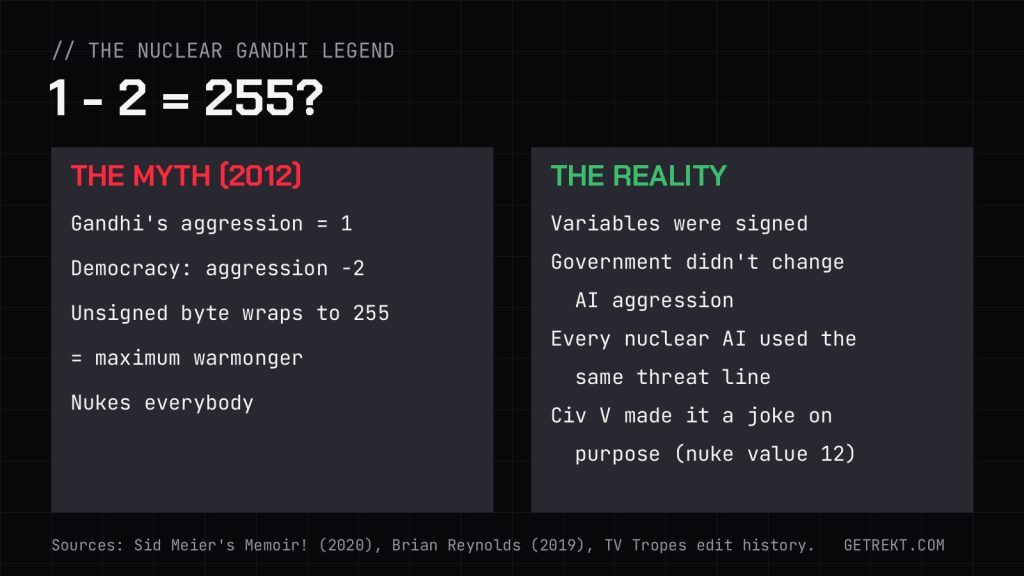
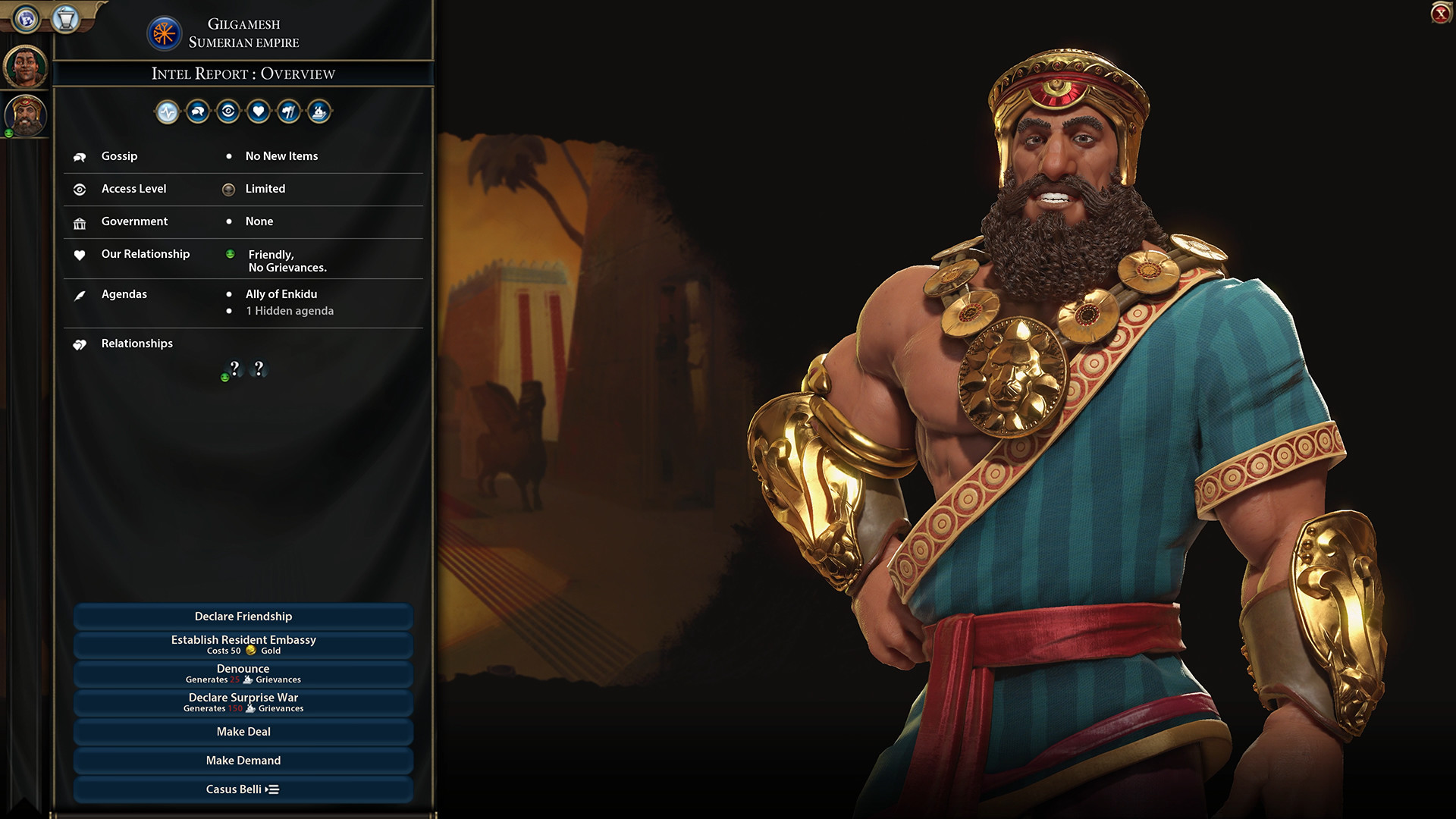
You know the story. In Civ I, every leader has an aggression score, and Gandhi’s was the lowest possible: 1. Switching to Democracy knocked 2 off that. But the value was stored as an unsigned 8-bit number, so instead of going to -1 it wrapped around to 255, turning the world’s most famous pacifist into a nuke-happy maniac. It’s been taught as a classic example of integer underflow.
It’s a myth. The earliest known version is an unsourced TV Tropes edit in July 2012, 21 years after Civ I came out. It spread through the Civ wiki, a Reddit thread and a viral Kotaku article, and every time someone doubted it, they got pointed back at the wiki as proof. Brian Reynolds, who led Civ II and knew the Civ I code, told People Make Games in 2019 he was “99.99%” sure the bug was “completely apocryphal”: Civ I only had three aggression levels, and Gandhi shared the lowest with about a third of the leaders.
Then Sid Meier settled it in his 2020 memoir. In his telling, Civ I’s variables were signed, so -1 would never have become 255, and switching government didn’t change AI aggression at all. But he also explained why the legend stuck:
It is true that Gandhi would—eventually—use nukes when India was at war, just like any civilization in the game.
Sid Meier, Sid Meier’s Memoir! (2020), via Kotaku
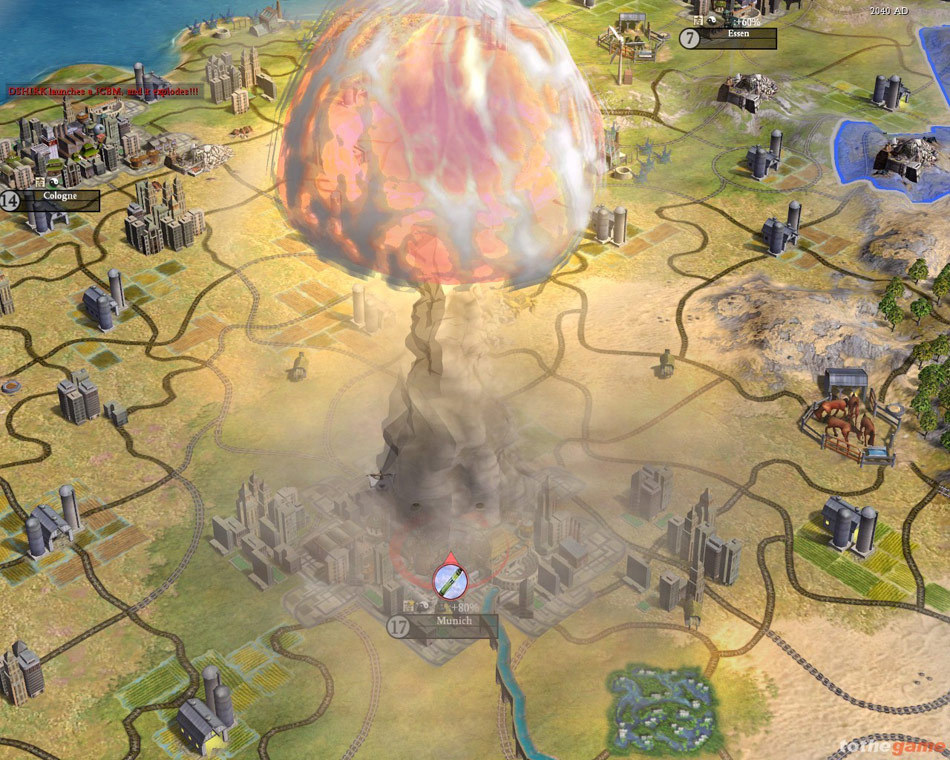
Every AI civ in Civ I could build and fire nukes once it had the tech, and every AI that owned one bolted the same threat onto its diplomacy greeting. Fans who’ve pulled apart the original DOS code found the line: “Our words are backed with NUCLEAR WEAPONS!” From Stalin, that’s Tuesday. From Gandhi, it’s hilarious. India’s science focus often got it nukes early, too, and Meier reckons Gandhi threatening you was partly about deterrence anyway.
So was it Gandhi or the Mongols? Honestly, it could have been anyone with a nuke. But if I’m putting money on it, it was the Mongols. Fan reconstructions of Civ I’s leader personalities (from the open-source remake CivOne) put Genghis Khan at the nastiest end of every scale: aggressive, expansionist and militaristic. Gandhi sits at the friendly end alongside Lincoln and Hammurabi. Stalin, Napoleon, Frederick and Shaka are all coded aggressive too. The Gandhi memory is most likely the legend overwriting the real one, which is apparently what happened to half the internet.
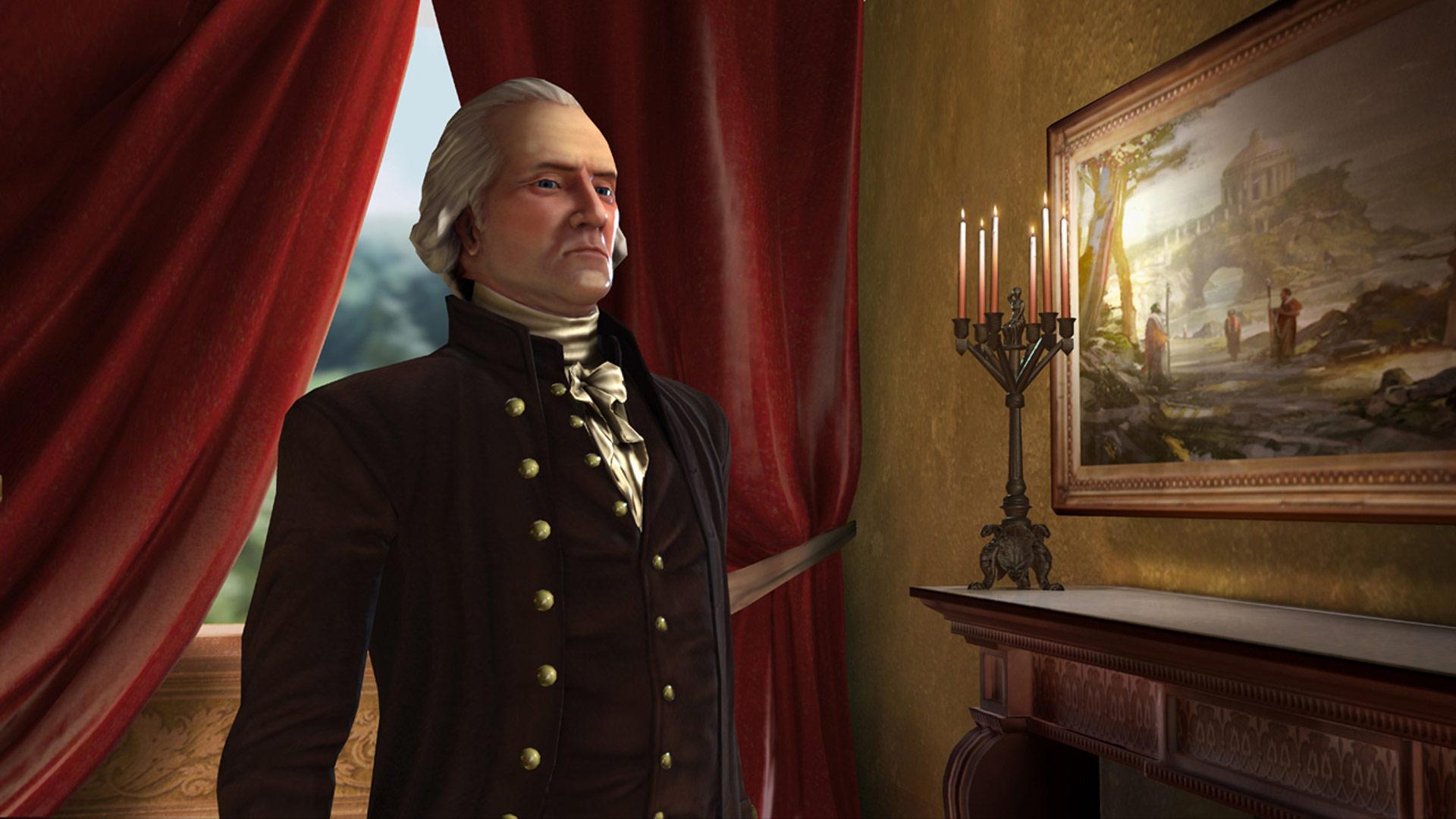
The best twist: Firaxis leaned into it once it was famous. In Civ V, lead designer Jon Shafer gave Gandhi the highest nuke-building and nuke-using values in the game (12, when most leaders sat around 4 to 6). Civ VI gave him a roughly 70% chance of rolling a hidden “Nuke Happy” agenda. And Civ VII launched without Gandhi at all, but he’s coming back in 2027 with the free Arc of Tomorrow update, which adds an Atomic Age with nukes and mutually assured destruction. You couldn’t write it better.
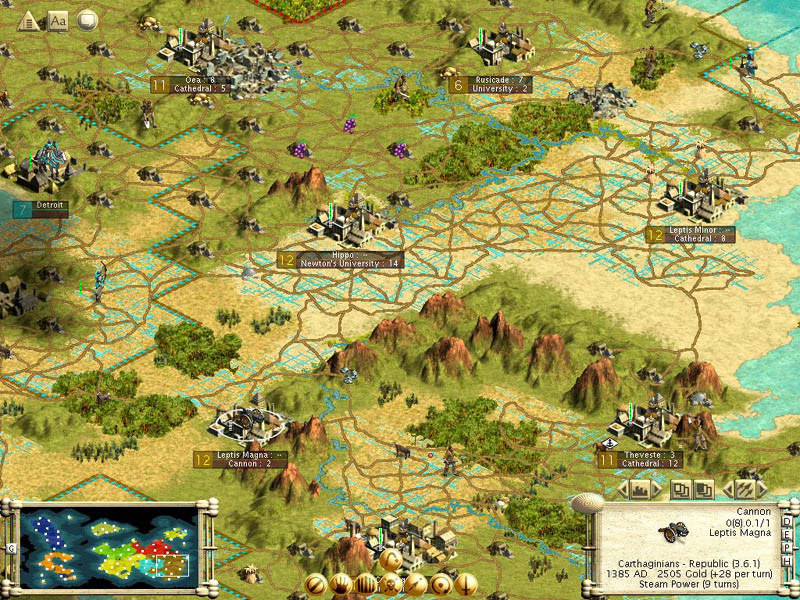
The first sequel to a Sid Meier game wasn’t made by Sid. Brian Reynolds led design, with Douglas Caspian-Kaufman and Jeff Briggs, while Meier was busy elsewhere. Civ II (March 1996) switched to an isometric view, smartened up the AI, added diplomatic reputation, and gave us the gloriously cheesy live-action High Council of advisors bickering over your empire. It opened the game up to modders too. It scored 94 on Metacritic and sold around 3 million copies by 2001.
It also produced the greatest Civ story ever told. In 2012, a Reddit user called Lycerius posted about a Civ II game he’d been playing on and off for about ten years. It was the year 3991 AD, three superpowers had been locked in a war for 1,700 years, nuclear winter had melted the ice caps, and the planet was a wasteland. “The Eternal War” got its own subreddit, and it’s still the best advert for Civ’s one-more-turn curse.
MicroProse merged with Spectrum HoloByte in 1993, and by 1996 the new owners had gutted the old MicroProse staff. Meier, Jeff Briggs and Brian Reynolds walked out and founded Firaxis Games in May 1996, which is where Civ has lived ever since. They took the talent, but not the name.
That name became a mess. In 1997, Activision bought the PC rights to “Civilization” from Avalon Hill, and Avalon Hill and Activision sued MicroProse. MicroProse responded by buying Hartland Trefoil, the original British publisher of Tresham’s board game, and countersued. The July 1998 settlement left MicroProse owning the brand. Avalon Hill paid it US$411,000, and Activision got a licence for exactly one game: Civilization: Call to Power (1999). Its sequel had to drop “Civilization” from the title. Then Hasbro bought both MicroProse and Avalon Hill anyway.
The rights went from Hasbro to Infogrames (later Atari) in 2001, and in 2004 Take-Two bought the Civilization IP for US$22.3 million. A year later, in November 2005, it bought Firaxis too. Civ and its creators were finally under one roof, and they’ve been part of Take-Two’s 2K ever since.
Here’s a bit of Civ history that doesn’t get told enough, and it’s personal: Rise of Nations was one of my favourite games of that era.
After Civ II and Sid Meier’s Alpha Centauri, Brian Reynolds left Firaxis and in early 2000 co-founded Big Huge Games in Maryland with Tim Train, David Inscore and Jason Coleman. The pitch was to take the depth of turn-based strategy and jam it into a real-time strategy game. The result, published by Microsoft in May 2003, was Rise of Nations: all of human history in a single RTS match, with 18 nations across eight ages, from ancient times to the information age.
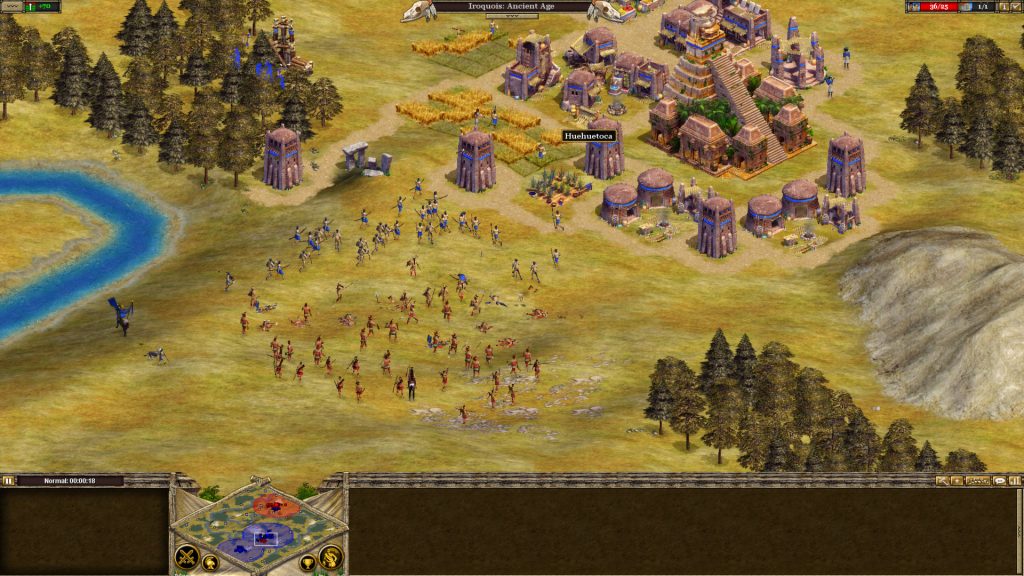
It felt like Civ played at RTS speed. It had national borders and territory you could only build inside, attrition that chewed up armies invading deep into enemy land, and wonders, cities and a full tech race. The Conquer the World campaign was basically a Civ-style board game with RTS battles on top. It sold more than 2 million copies and won GameSpot’s Best Strategy Game and Best PC Game of 2003. The Thrones and Patriots expansion followed in 2004, then the fantasy-steampunk spin-off Rise of Legends in 2006.
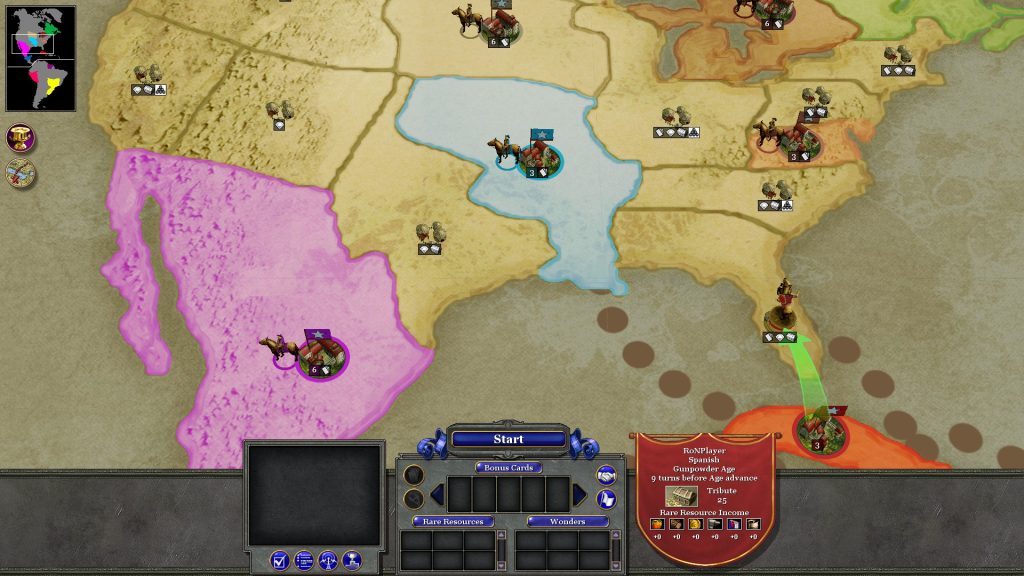
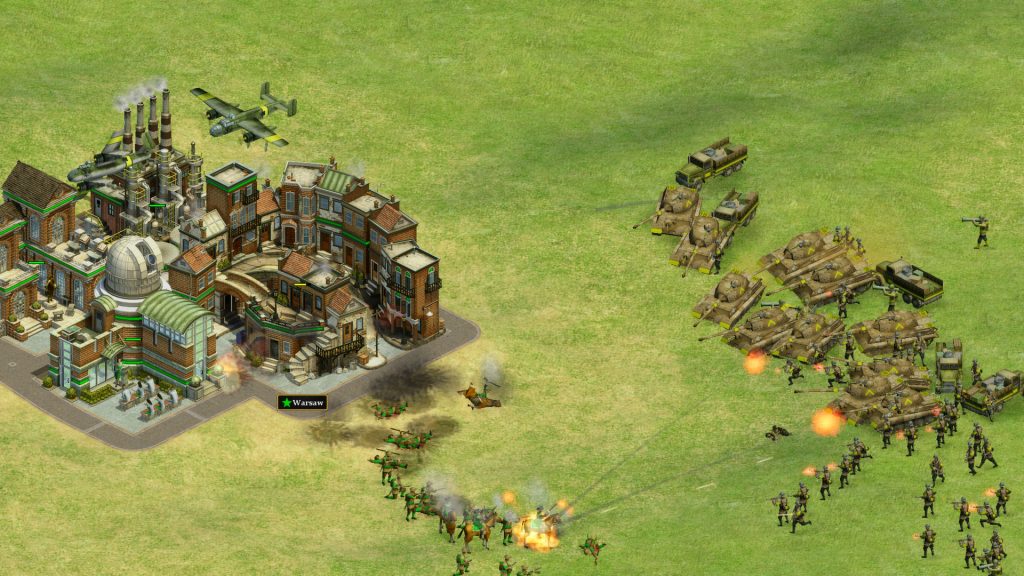
Big Huge Games had a wild ride after that. THQ bought it in 2008, then threatened to close it during the GFC. 38 Studios bought it in 2009 and it made Kingdoms of Amalur: Reckoning, before 38 Studios’ collapse took the whole studio down in May 2012. Reynolds, who’d spent 2009 to 2013 at Zynga, and Tim Train bought the name back at auction in 2013 and relaunched Big Huge Games as a mobile studio. Its hit DomiNations is basically Rise of Nations-meets-Clash, and Nexon bought the studio in 2016. Rise of Nations itself lives on as Rise of Nations: Extended Edition (2014), still on Steam and still sitting on an 89 Metacritic for the original.
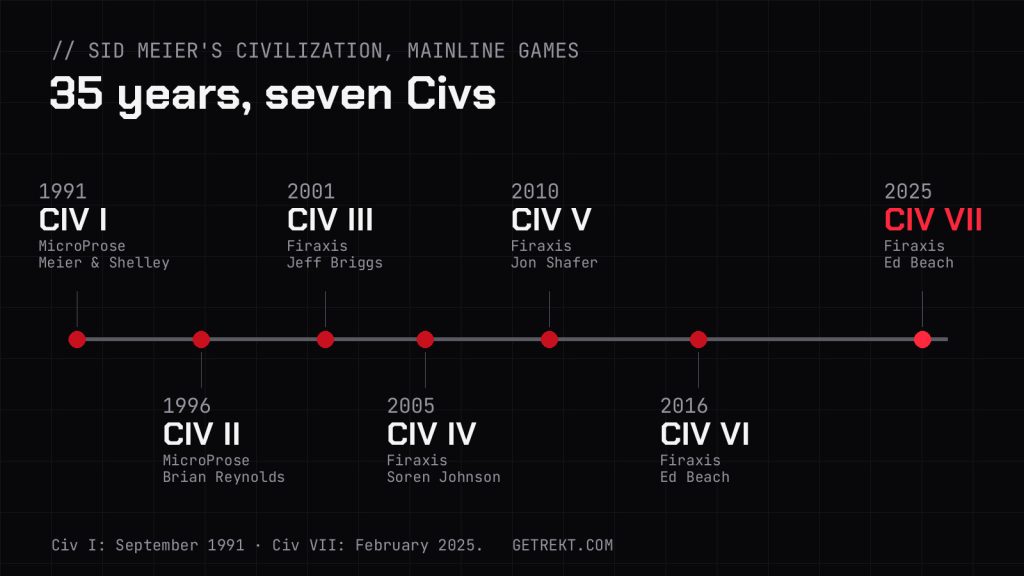
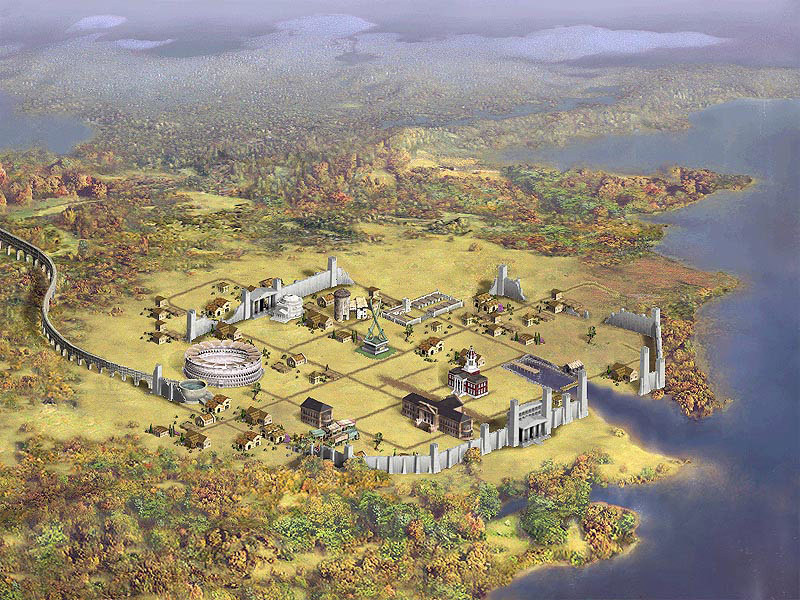
The first Firaxis-made Civ arrived in October 2001, with Jeff Briggs as lead designer and a young Soren Johnson as lead programmer. It introduced culture borders, cities that could flip to a neighbour whose culture outshone yours, and strategic and luxury resources, all of which are still Civ DNA today.
It was also a buggy launch, and things got worse when multiplayer arrived. GameSpot called the Play the World expansion’s multiplayer “almost unplayable”, and the Conquests expansion “broken, bug-ridden, and virtually unplayable out of the box” until patches landed. Fittingly, it’s still a 90-plus Metacritic game today, and it still has about a thousand people playing it on Steam on a random Monday.
For a lot of people, this is the one. Soren Johnson stepped up to lead designer for Civ IV (October 2005) and delivered religions, Great People, civics, a gorgeous 3D world and modding tools so open that whole new games were built inside it. Leonard Nimoy read the quotes for every technology you researched. It scored 94 on Metacritic, matching Civ II, and sold more than 3 million copies by 2008.
And then there’s “Baba Yetu”, Christopher Tin’s Swahili setting of the Lord’s Prayer and the main menu theme. A re-recorded version on Tin’s album Calling All Dawns won the Grammy for Best Instrumental Arrangement Accompanying Vocalist(s) in February 2011. It was the first piece of video game music ever to win a Grammy. If you’ve heard it once, it’s in your head right now.
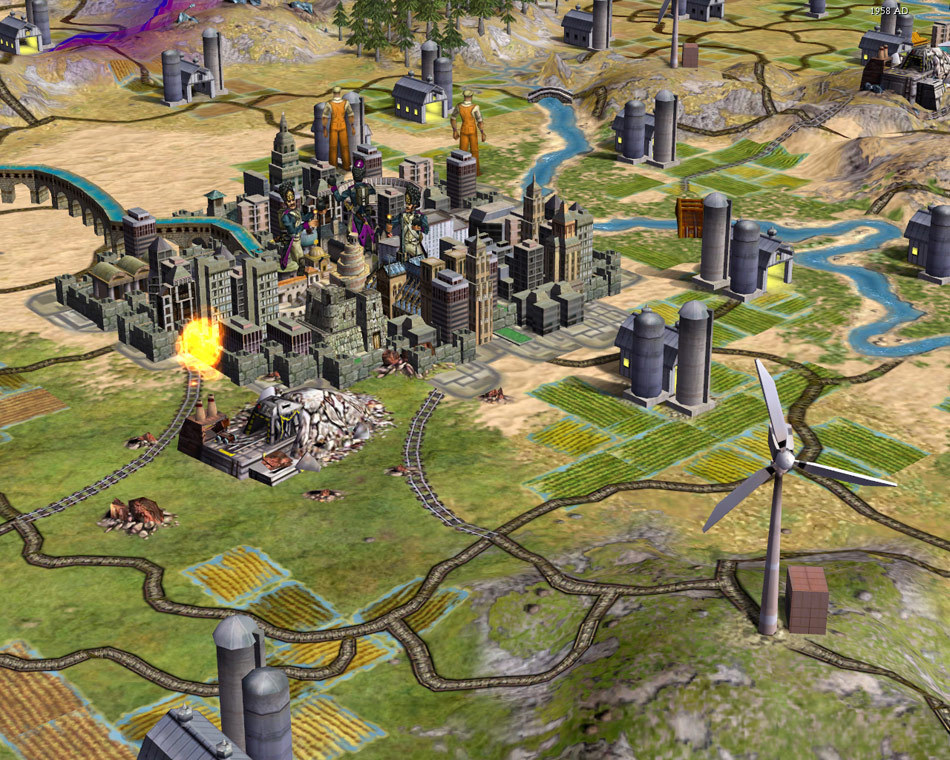
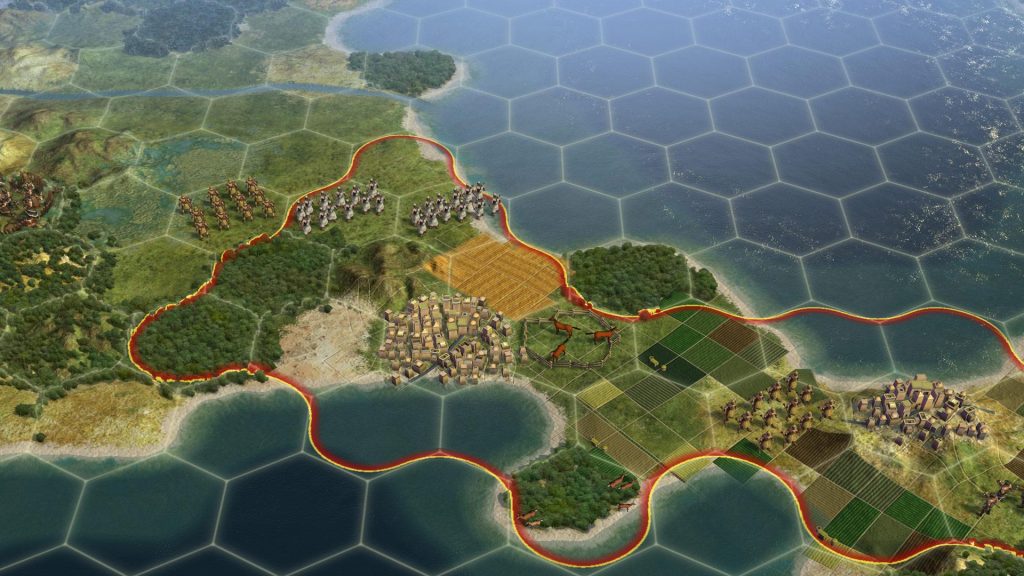
Civ V (September 2010) was the biggest shake-up since the original. Lead designer Jon Shafer swapped squares for hexes, inspired by Panzer General, and banned stacking units: one unit per tile. That turned combat into actual tactics instead of throwing a 40-unit doomstack at a city.
The AI couldn’t handle it. Critics called it “curiously terrible” (Eurogamer) and said it couldn’t play its own game (1UP), and Shafer later admitted it just floated between strategies. Religion and espionage were cut, diplomacy was thin, and it required Steam even for boxed copies. Shafer’s own take years later: “Strategy games almost always come in hot.”
Then the Gods & Kings (2012) and Brave New World (2013) expansions put the depth back, and Civ V became a classic. It’s sitting on 95% Overwhelmingly Positive on Steam today and still has more players than Civ VII. Remember that bit. It matters later.
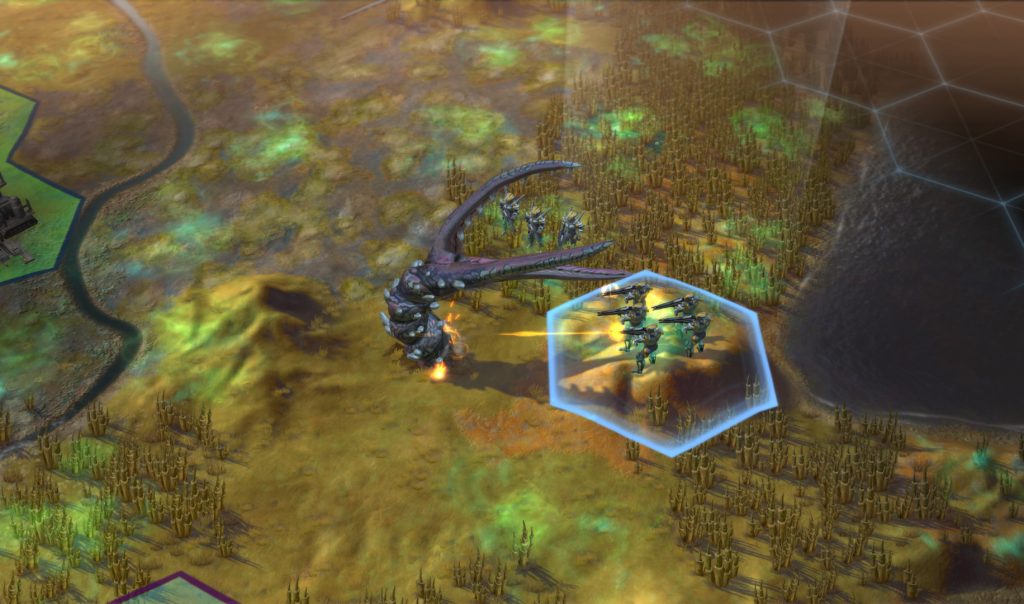
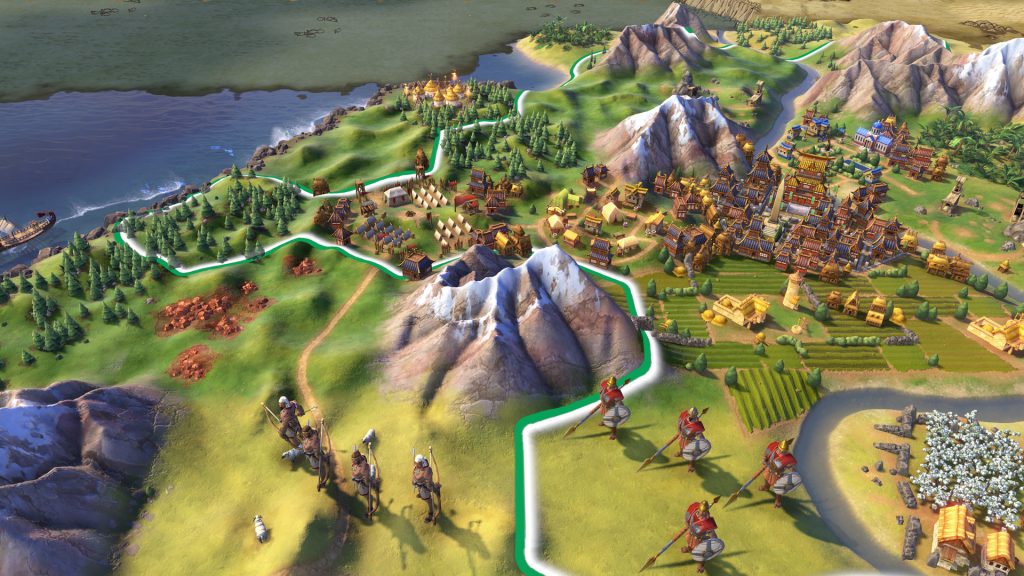
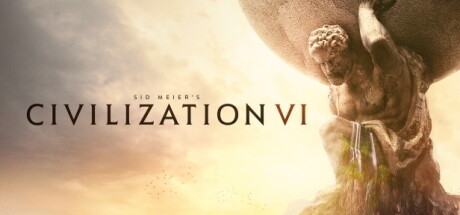
My other favourite. Ed Beach, who’d led Civ V’s expansions, took over for Civ VI (October 2016) and “unstacked” the city: wonders and districts spread across the map, so you had to plan every city around terrain. It brought a bright, board-game art style, Sean Bean as narrator, and leaders with personal agendas. It won Best Strategy Game at The Game Awards 2016, and the Rise and Fall (2018) and Gathering Storm (2019) expansions made it the most complete Civ ever. It’s the best-selling Civ of all time at more than 11 million copies.
It had its share of stuff-ups though:
None of that stopped it. Ten years on, Civ VI still has around 20,000 people playing at once on Steam, more than three times as many as its sequel.
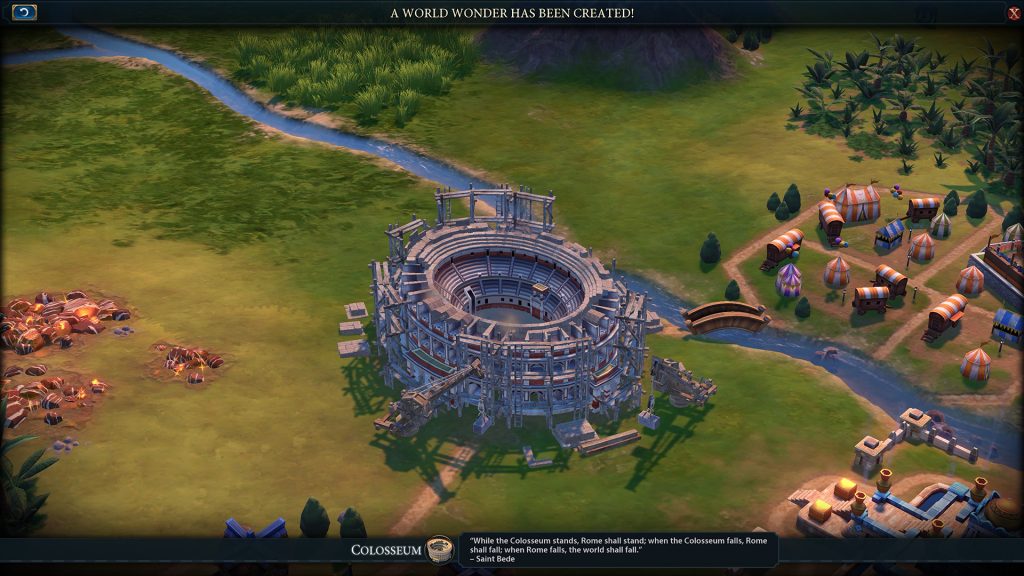
Here’s why my copy of Civ VII doesn’t exist.
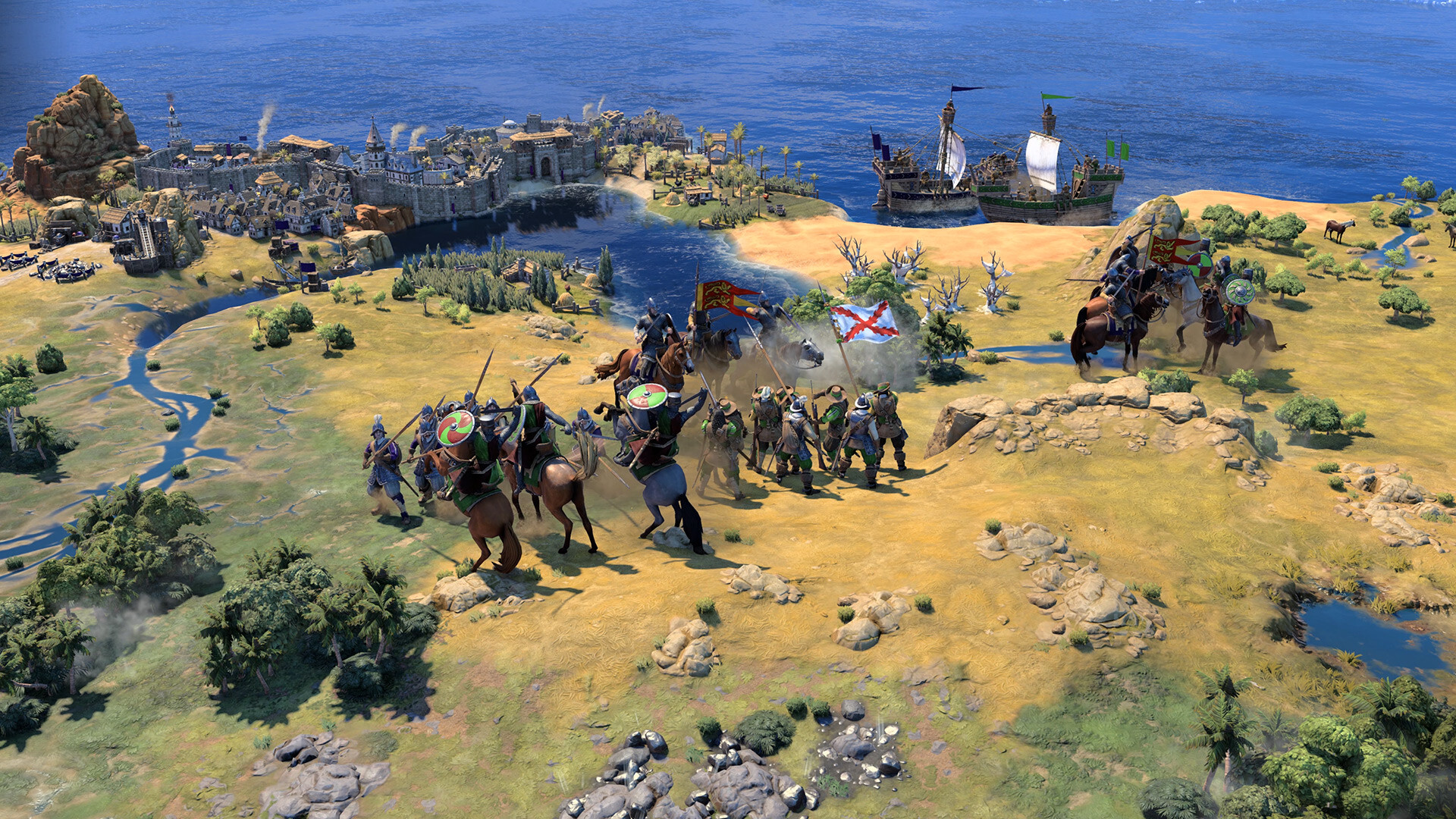
Civ VII (11 February 2025) split every game into three Ages (Antiquity, Exploration and Modern). At the end of each one, the world resets in part and you had to switch to a different civilisation. You could start as Rome and end up as somebody else entirely, with your leader detached from your civ. Ed Beach’s team took Sid Meier’s old sequel rule (a third the same, a third improved, a third new) and, by Beach’s own spreadsheet, went “a good 20%” past it. For a series built on the fantasy of guiding one people from the Stone Age to space, that’s the whole point gone.
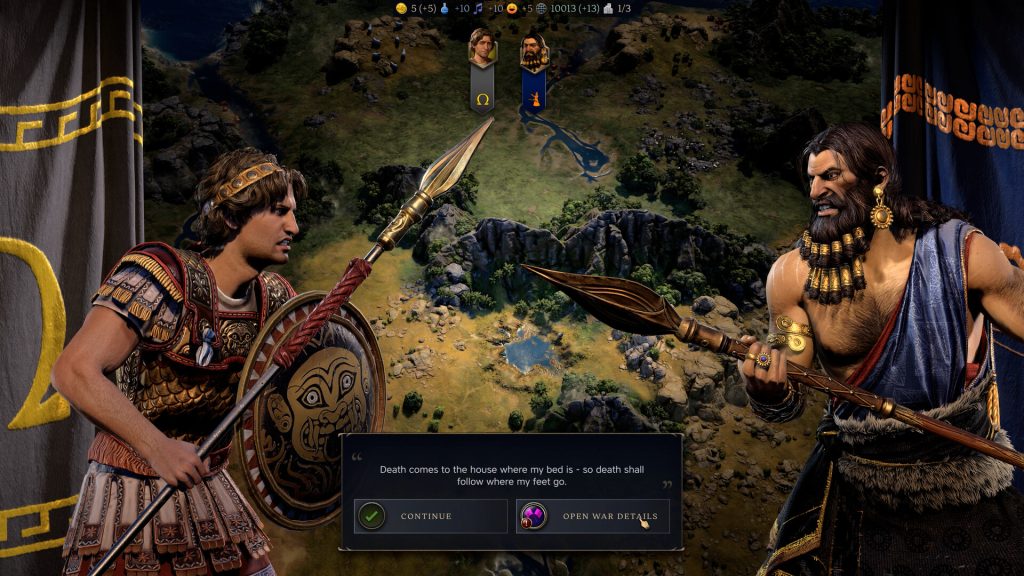
It launched like this:
Take-Two boss Strauss Zelnick started out shrugging it off. In May 2025 he said every new Civ causes “some consternation”, and in August that Civ “has always been a slow burn”. In September 2025, 2K laid off staff at Firaxis, much of it reportedly from the Civ VII team. By May 2026 Zelnick was telling Game File that the game is “a profitable enterprise”, but “what we tried to do was a bridge too far, from the consumer’s perspective”.
Firaxis has worked hard to fix it, to be fair. A year of patches brought back bigger maps, quick moves, teams and hotseat. Then the free Test of Time update in May 2026 finally let you start and stay as one civ through every Age, and rebuilt how you win. Beach told Polygon that update was “personally challenging for me because it wasn’t part of the original vision of the game”. Executive producer Dennis Shirk admitted the Ages system “ended up really polarizing the audience. Our hardcore players that have been around since Civ 1 didn’t necessarily want that direction.”
It still hasn’t worked. Test of Time briefly pushed the game to about 16,000 players, but the reviews after it were barely over 50% positive. A US$29.99 Japan and Korea DLC in June 2026 launched at 38% positive. Today Civ VII sits on Mixed (about 51%), with fewer players than Civ V and less than a third of Civ VI’s.
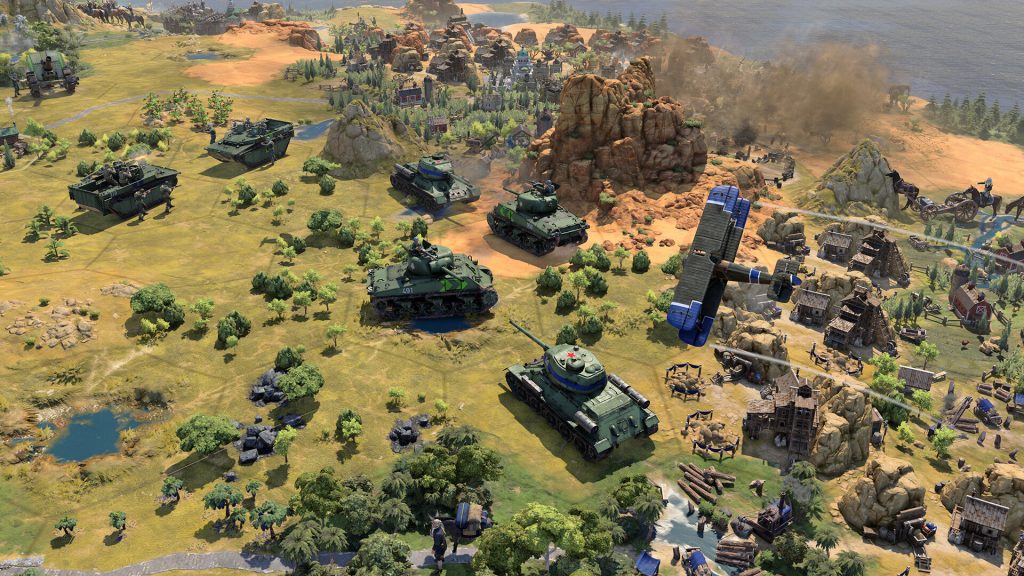
A game about all of human history was always going to step on toes:
Yes, sort of. Sid Meier is 72 and still at Firaxis as Director of Creative Development, the studio he co-founded 30 years ago this May. He’s still the face of the series. He did the press rounds for the 35th, telling Variety in July that a new Civ only comes along when the ideas no longer fit in the old one, and he wrote the foreword to the official Civ VII art book. But he’s been an elder statesman rather than a lead designer for years. Every Civ since II has had someone else running it, and there’s no sign he had a day-to-day hand in Civ VII’s design. His name is on the box. Ed Beach’s choices are in the game.
The rest of the gang went everywhere. Bruce Shelley co-founded Ensemble Studios and made Age of Empires. Brian Reynolds went from Big Huge Games to Zynga and back. Soren Johnson runs Mohawk Games, whose Old World is the best Civ-like game nobody at Firaxis made. Jon Shafer went indie with At the Gates.
Firaxis celebrated the 35th at PAX West in September with a free play week and a roadmap. A free 1.5.0 update brought a True Start Location Earth map. Arc of Tomorrow, a free fourth Atomic Age running from the 1950s to the 2050s, arrives in 2027 with nukes, proxy wars and the return of Gandhi. Earthrise, Civ VII’s first paid expansion, follows later in 2027. The series has sold more than 70 million copies. Not bad for a US$170,000 game that started as a real-time city builder.
Thirty-five years on, Civ is still the king of the genre, and that’s exactly why Civ VII stings. Every Civ has launched rough, from Civ III’s bugs to Civ V’s brain-dead AI. Fans forgave all of that because the core promise stayed the same: you take one people from a single settler to the stars. Civ VII broke that promise on purpose, put a US$130 price tag on early access, and shipped with a UI that felt like a console port. That’s not a rough launch. That’s a different game wearing Civ’s name.
Credit where it’s due: Firaxis listened. Test of Time is basically an apology in patch form, and Beach and Shirk have been honest about it. But it says everything that the fix for Civ VII was letting it play more like Civ VI. And when Civ V and VI, the games they were trying to replace, have more people playing them than the new one does, the players have given their verdict.
Me? I’ll wait. Maybe Arc of Tomorrow and Earthrise turn it into the Civ V comeback story. If they do, I’ll happily eat my words and buy it on sale. Until then, I’ve got Civ VI, and I’ve got one more turn to finish. And if I see Genghis Khan’s mug pop up on my screen in 1950, I know exactly who to blame.
What’s your Civ? Who nuked you, and are you playing VII? Tell us in the comments, or come argue about hexes vs squares in the GetRekt Discord.

BioWare's Mass Effect technical director went on Twitch and explained how the cancelled Mass Effect: Universe would have stitched every trilogy choice...
Five days after EA closed BioWare and cancelled the next Mass Effect, a fan petition is closing in on 200,000 signatures and a group of fans says it h...
Netflix reportedly offered US$500 million for seven years of exclusive rights to adapt Xbox games, and Xbox wanted US$800 million. For a platform shed...
Comments 0
Quick check before we post that