>>
NZ First would double the Game Development Sector Rebate from 20% to 40% if it's re-elected on 7 November.
Winston's mob wants to double the rebate for Kiwi game studios from 20% to 40% and lift the cap to $10m. It's the biggest offer of the campaign, but the budget barely moves.
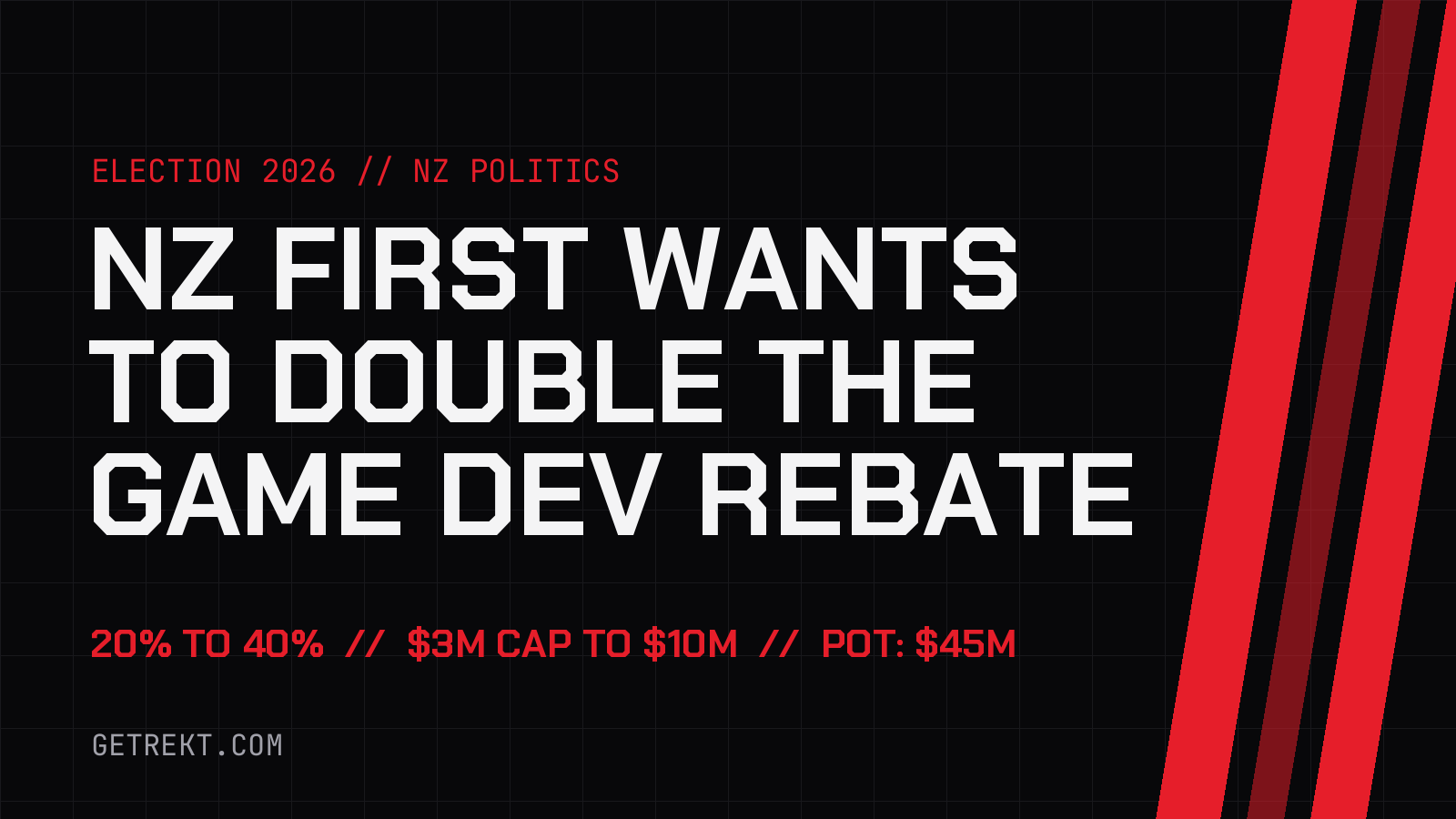
NZ First would double the Game Development Sector Rebate from 20% to 40% if it's re-elected on 7 November.
The per-studio cap jumps from $3m to $10m, and the minimum spend to qualify drops from $250k to $150k.
The annual budget only rises from $40m to $45m by 2028, while Dunedin's CODE incubator gets locked-in funding of $5m, rising to $7m.
Labour's rival plan is 25%, a $4.5m cap and a $200k entry bar, all within the existing $40m.
Our take: great for indies on paper, but double the rate on last year's $21.9m payout and you've already used up nearly the whole $45m.
Well, this one came out of nowhere. Winston Peters’ NZ First, not exactly the party you’d expect to be courting the gaming crowd, has promised to double New Zealand’s game development rebate from 20% to 40% if it’s back in government after the 7 November election.
It’s one of the most generous offers any party has made to Kiwi game studios. It also has a maths problem, and we’ll get to that.
The policy is aimed at the Game Development Sector Rebate (GDSR). That’s the scheme Labour set up in 2023, run by NZ On Air, which pays studios back a percentage of what they spend making games here. NZ First’s announcement on 20 October would:
The pitch is all about the Tasman brain drain. Australia offers a 30% federal tax offset, and state incentives stacked on top can take that to around 40–45%. Both NZ First and Labour say that’s pulling Kiwi devs across the ditch. NZ First is also talking up a target of $3 billion in industry export revenue by 2030.
Labour got in first, pledging back in October 2025 to expand the scheme. NZ First has simply gone bigger on every number:
ACT, NZ First’s current coalition partner, isn’t biting. David Seymour told the Herald elections are a dangerous time for taxpayers and that ACT’s focus is balancing the books.
According to figures quoted in the NZ Herald, New Zealand’s game industry cracked $1 billion in revenue for the first time in the 2026 financial year, up 33%, and $947 million of that came from overseas. Jobs went the other way, though: employment fell by 157 to 1,257 people.
The rebate paid out $21.9 million last year. Both NZ First and the industry body NZGDA point to an NZGDA survey that claims $9.73 back in tax for every dollar of rebate. Take that with a grain of salt: it’s the industry’s own figure, and it counts all the tax and PAYE paid by studios that get the rebate, not just the extra tax the rebate itself caused.
The Herald also points out that the biggest beneficiaries aren’t exactly struggling Kiwi battlers. Grinding Gear Games (Path of Exile), the country’s biggest studio, is owned by Tencent. It took the maximum $3m rebate in each of the past two years, while posting a $191.7m profit over 15 months and paying Tencent a $110.2m dividend. Under NZ First’s plan, a studio that size could claim up to $10m.
Credit where it’s due: a 40% rebate and a $150k entry bar would be a genuinely big deal for small Kiwi studios. For once, a party is taking games as seriously as film. CODE has a solid track record too, with 20 studios started, so locking in its funding is a no-brainer.
But the numbers don’t add up. The rebate paid out $21.9m last year at 20%. Double the rate and that same spending costs about $44m, which is almost all of NZ First’s $45m budget, and that’s before a single new indie qualifies under the lower bar or a big studio claims anything above the old $3m cap. Either rebates get rationed, or the $45m is a placeholder. That’s our rough back-of-the-envelope maths, not Treasury’s, but nobody has explained how it fits.
Then there’s timing. NZ First has been in government since 2023 and the rebate has sat at 20% the whole time. Rocking up three weeks before an election with a doubled rebate is classic campaign-trail stuff. Don’t get us wrong, we’d love to see it happen. Just ask how it’s paid for, and whether a $10m cap mostly helps a Tencent-owned studio that’s already doing very nicely, before you get too excited.
Early voting opens 26 October, and the enrolment deadline is 25 October. Whichever way you lean, check you’re enrolled at vote.nz.
Would a 40% rebate keep Kiwi devs at home, or is it an election lolly? Have your say in the comments, or argue it out in the GetRekt Discord.
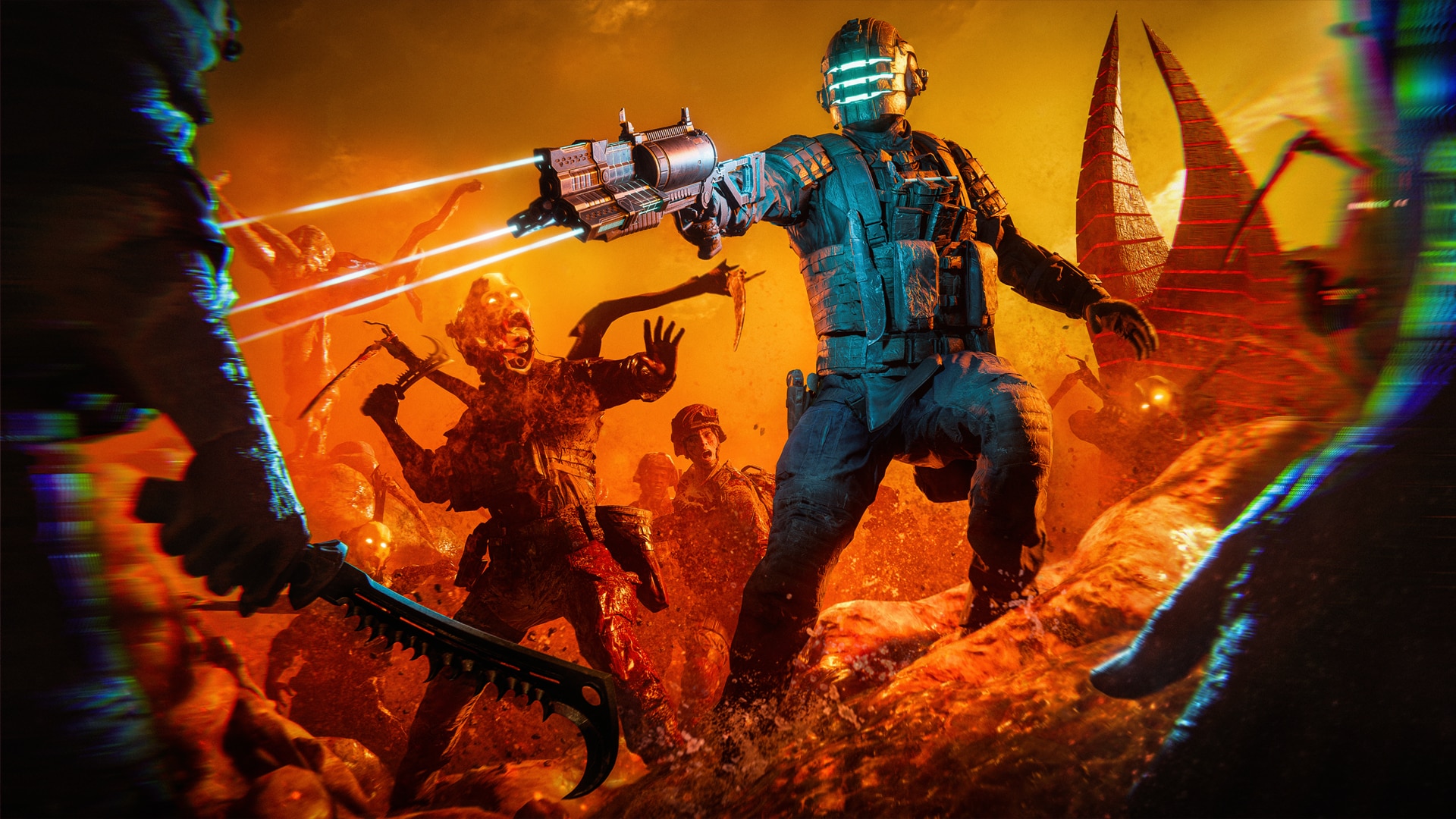
Dead Space: Convergence runs until 10 November with a 16-player co-op horde mode, the Pulse Rifle and Isaac-inspired cosmetics. Just don't expect EA t...
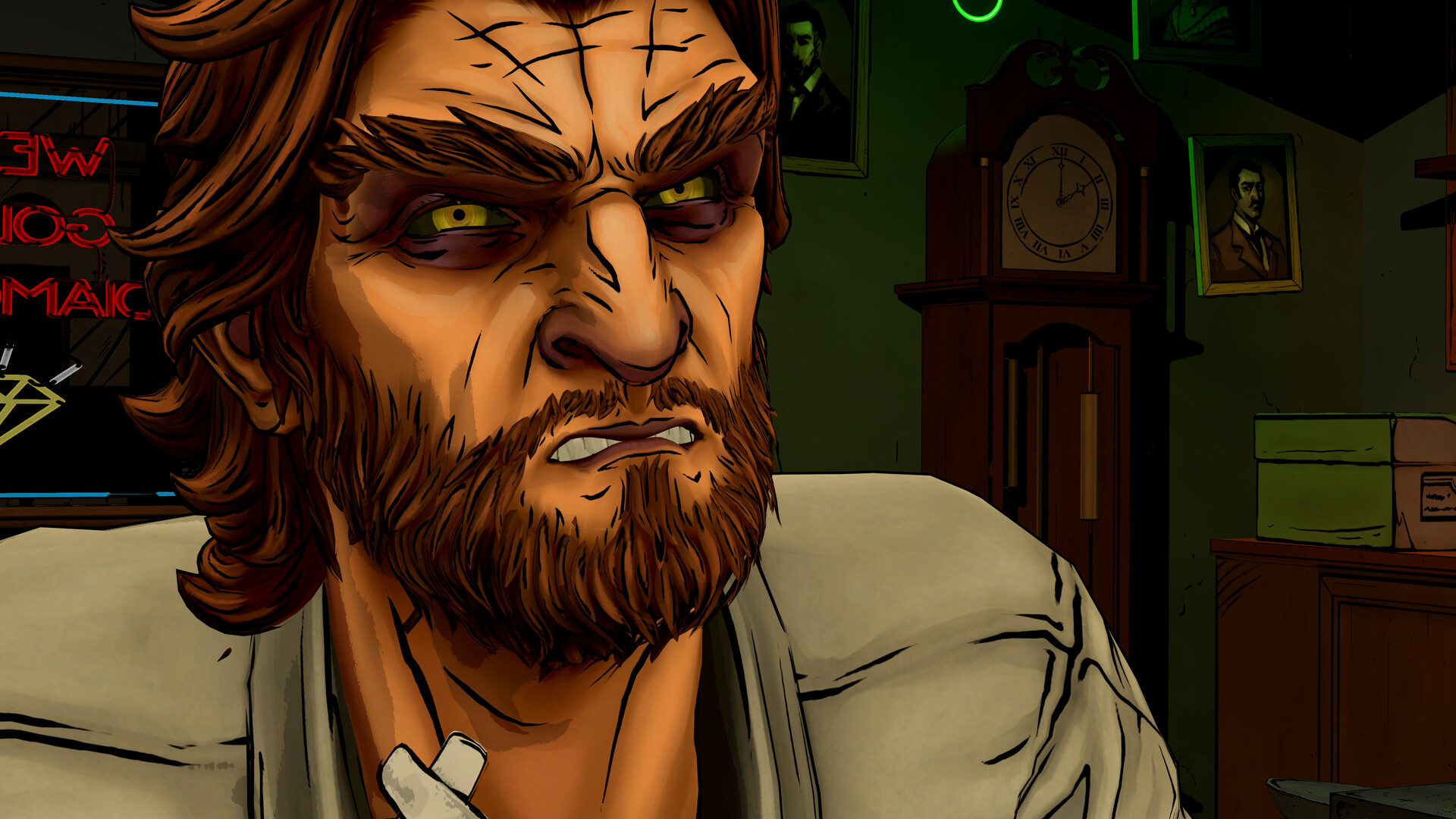
Telltale's 2013 noir classic gets the full remaster treatment: Noir Mode, five restored Lost Scenes and a free Episode 1 demo on Steam right now. Swit...
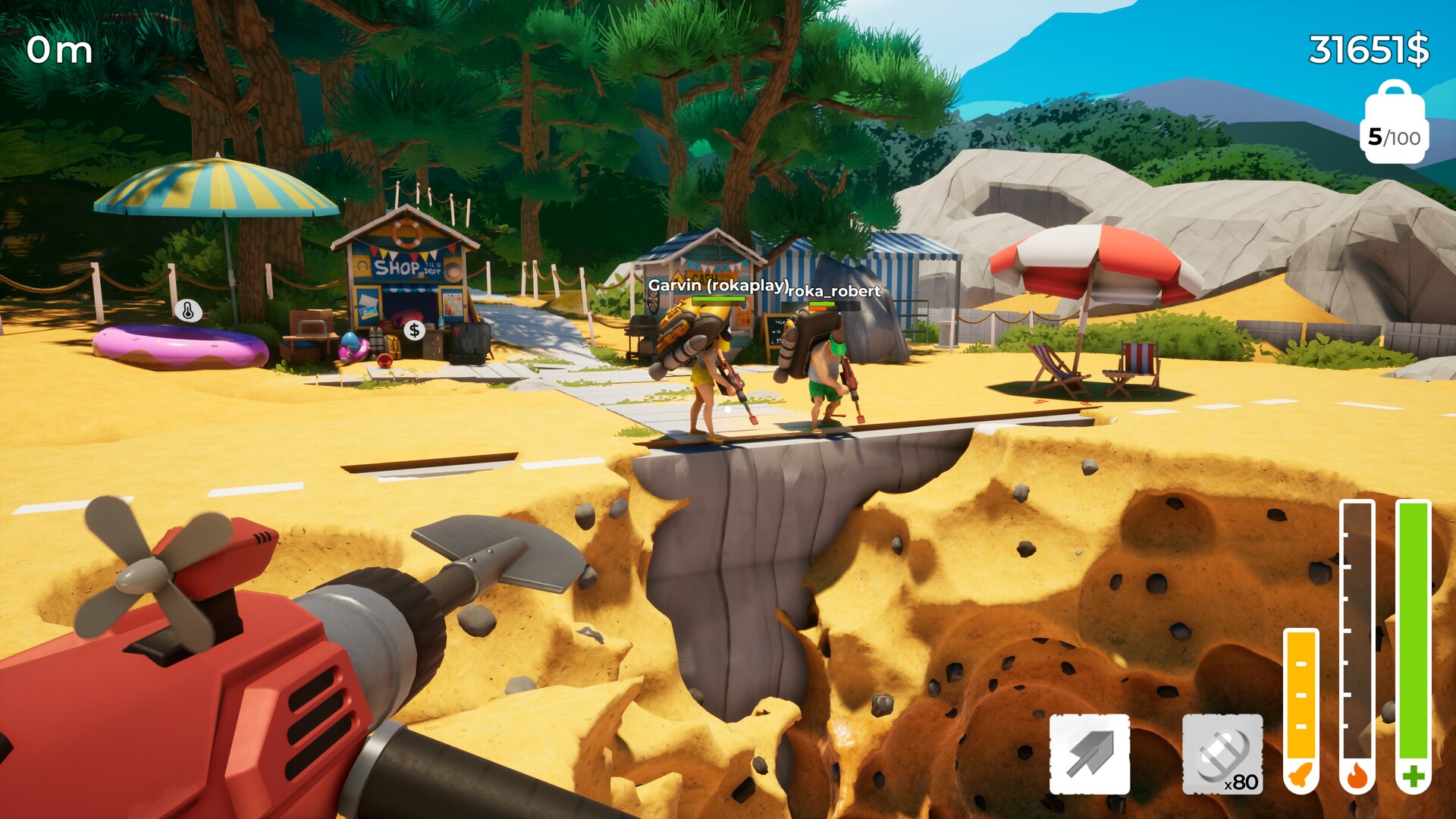
The viral one-dev hole-digging game is back with four-player co-op, a beach, a proper studio behind it and a 4 December date. Xbox and PC players get ...
Comments 0
Quick check before we post that